Understanding Regional Building Regulations in Nova Scotia
Introduction to Building Regulations
In Nova Scotia, understanding regional building regulations is crucial for anyone involved in construction or renovation projects. These regulations ensure that buildings are safe, sustainable, and meet local standards. Whether you're a homeowner, contractor, or developer, knowing the rules can save you time and money.
Why Building Regulations Matter
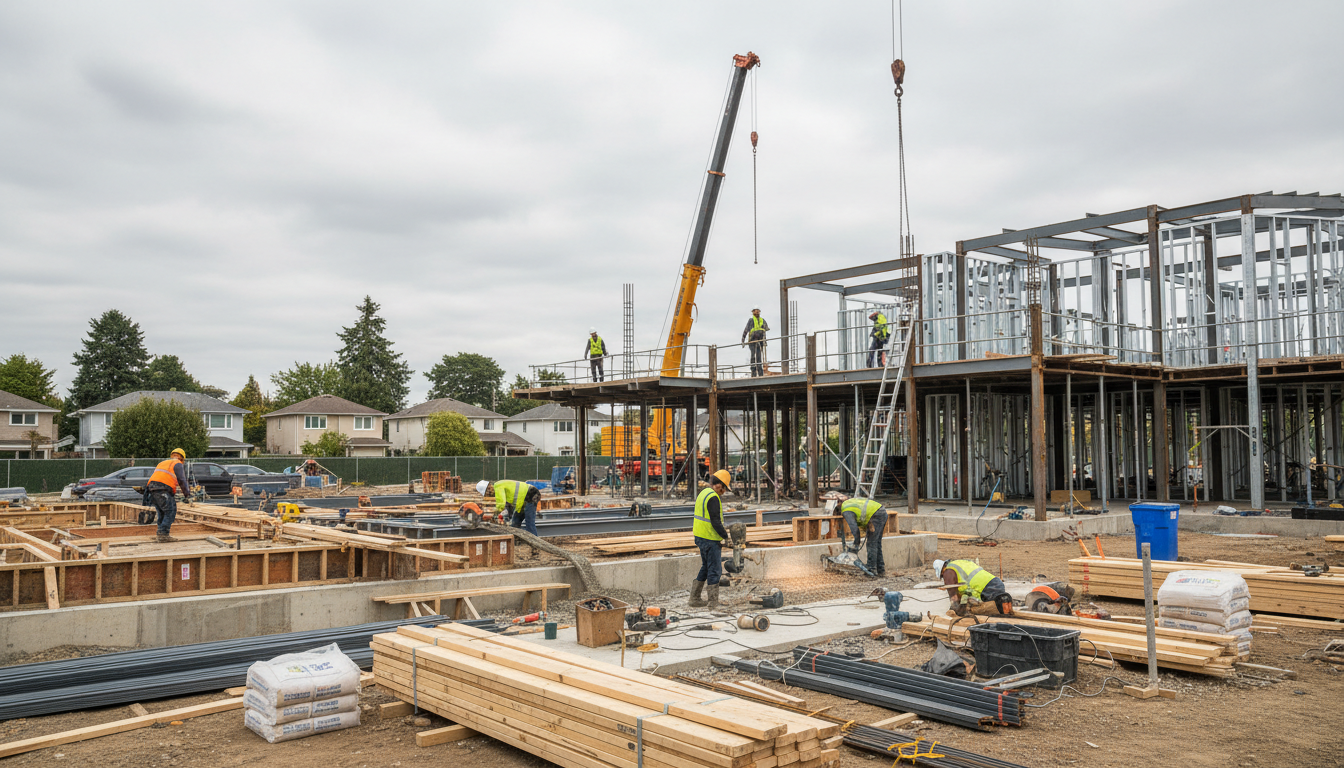
Building regulations exist to protect the health, safety, and welfare of the public. They cover aspects such as structural integrity, fire safety, and energy efficiency. In Nova Scotia, adhering to these regulations is mandatory, and non-compliance can lead to fines or legal issues.
Key Areas of Focus
Some of the critical areas covered by building regulations include:
- Structural Requirements: Ensuring buildings can withstand environmental stresses.
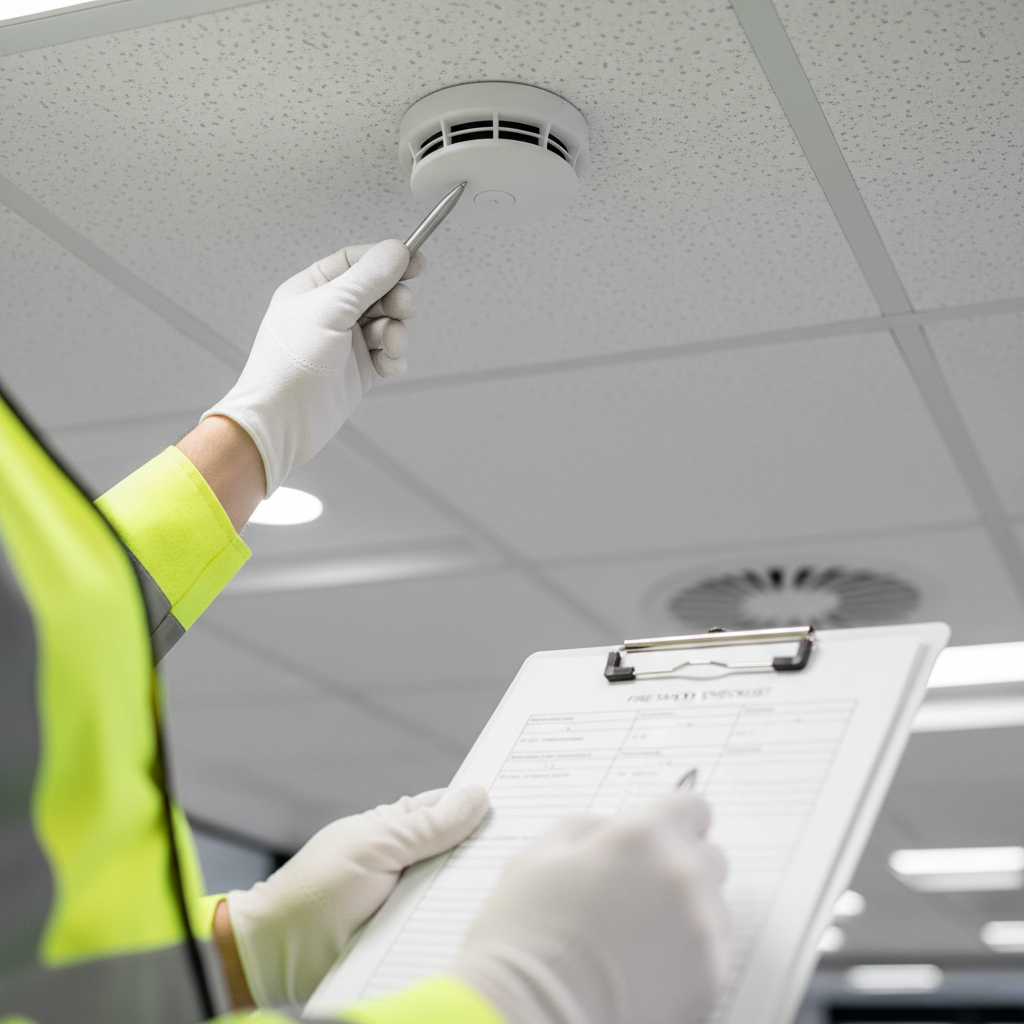
- Fire Safety: Implementing measures to prevent and manage fires.
- Energy Efficiency: Promoting sustainable building practices.
The Role of Municipalities
In Nova Scotia, municipalities play a significant role in enforcing building regulations. They are responsible for issuing building permits and conducting inspections. Each municipality may have its own specific requirements, so it's essential to check local regulations before starting a project.
Permits and Inspections
Before construction, obtaining the necessary permits is crucial. These permits ensure that your plans comply with local building codes. Post-construction, inspections verify that the work meets all regulatory standards.

Adapting to Local Conditions
Nova Scotia's unique climate and geography influence its building regulations. For example, regulations may address coastal weather conditions or specific architectural styles that reflect the region's heritage. Understanding these local nuances is essential for compliance.
Environmental Considerations
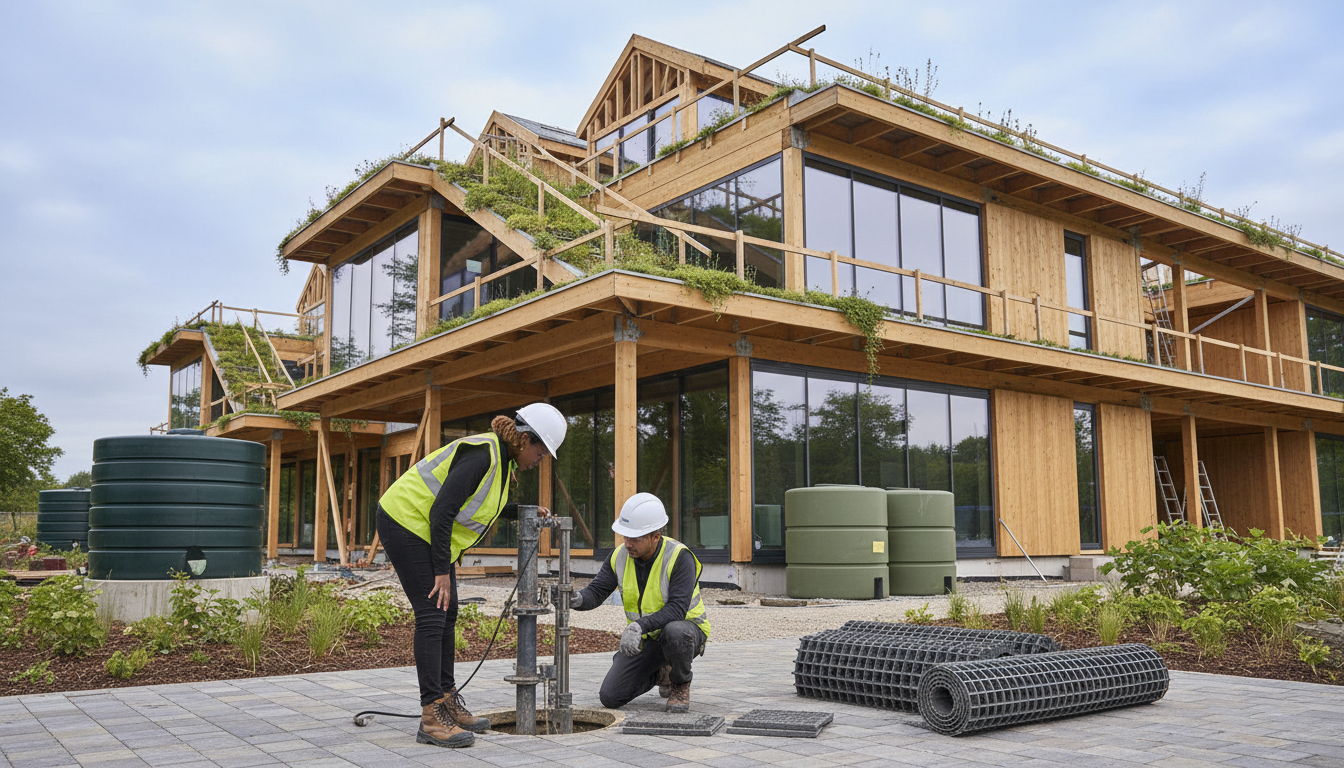
Building regulations also promote environmental sustainability. This includes guidelines for energy-efficient appliances, insulation standards, and waste management practices. These measures help reduce the environmental impact of construction projects.
Staying Updated
Building regulations can change, so staying informed is vital. Regularly reviewing updates from municipal websites or attending workshops can help you maintain compliance. Working with professionals familiar with local regulations can also provide valuable guidance.
By understanding and adhering to Nova Scotia's regional building regulations, you can ensure that your construction projects are safe, compliant, and sustainable. Whether you're building a new home or renovating an existing structure, these guidelines will help you navigate the process successfully.