Understanding Nova Scotia’s Construction Regulations: What Homeowners Need to Know
When planning a construction project in Nova Scotia, understanding the local regulations is crucial. These regulations ensure that your project is safe, legal, and compliant with both provincial and municipal standards. Whether you're building a new home or renovating an existing one, knowing these rules can save you time and money.
Building Permits and Why They Matter
One of the first steps in any construction project is obtaining a building permit. This document confirms that your plans meet the building codes and zoning laws. Building permits are essential for ensuring that your construction project adheres to safety standards, protecting both the homeowner and the community.
Without a permit, you might face fines or be required to undo completed work. It's crucial to apply for the necessary permits before beginning any construction. You can usually obtain them from your local municipal office.

Understanding Zoning Laws
Zoning laws dictate how land can be used in different areas of Nova Scotia. These laws are designed to organize urban development and prevent conflicts between different land uses. For instance, residential areas are separated from industrial zones to maintain a peaceful living environment.
Before starting your project, ensure that your plans comply with local zoning laws. You may need to consult with a zoning officer or a land use planner to understand the specific restrictions and allowances for your property.
Building Codes: Safety and Compliance
Building codes are a set of regulations that specify the standards for constructed objects, such as buildings and non-building structures. In Nova Scotia, these codes ensure that structures are safe, accessible, and energy-efficient. Adhering to these codes is not just a legal obligation but also a means to guarantee safety.
Building codes cover various aspects, including structural integrity, fire safety, and plumbing systems. Failing to comply with these standards can result in legal issues or even pose serious safety risks.
Hiring Licensed Contractors
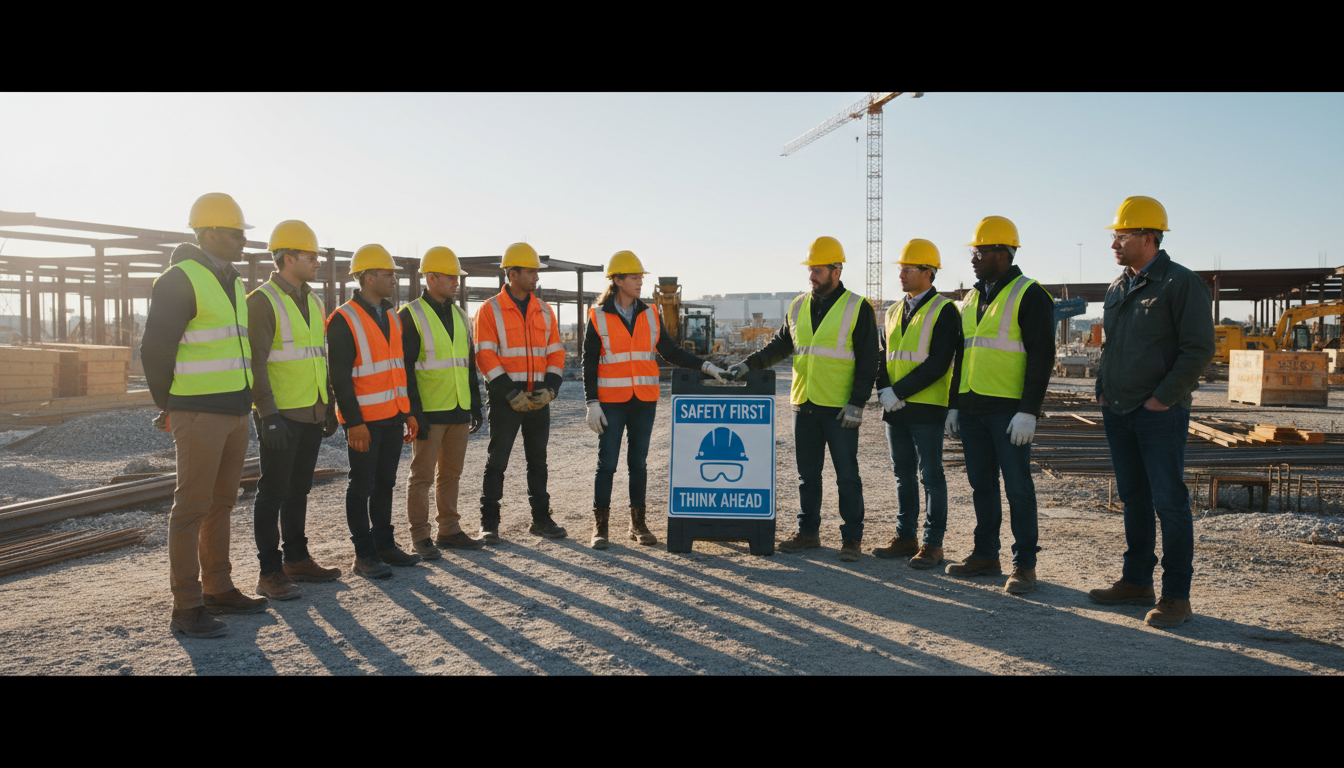
To ensure that your construction project adheres to all regulations, hiring a licensed contractor is advisable. Licensed professionals have the training and knowledge required to navigate the complexities of construction regulations. They can also help you manage permits and inspections efficiently.
It's important to verify the credentials and experience of any contractor you plan to hire. A reputable contractor will be transparent about their qualifications and provide references upon request.
Inspections and Final Approvals
Throughout your construction project, various inspections will be conducted to ensure compliance with building codes and safety standards. These inspections are performed by qualified officials and are crucial for obtaining final approval.
Passing these inspections is necessary to receive a completion certificate, which signifies that your project meets all regulatory requirements. This certificate is vital for property resale or obtaining insurance.

Environmental Considerations
Nova Scotia places a strong emphasis on environmental protection. Therefore, construction projects may need to adhere to regulations concerning environmental impact. This might include managing waste, protecting local wildlife, or conserving water and energy.
Understanding these environmental regulations can help you design a more sustainable and eco-friendly project, aligning with provincial goals of environmental stewardship.
In conclusion, understanding Nova Scotia’s construction regulations is essential for any homeowner planning a building or renovation project. From obtaining permits to ensuring compliance with building codes and zoning laws, each step is crucial for a successful and lawful project. By familiarizing yourself with these regulations and hiring qualified professionals, you can ensure a smooth construction process.