
Top 5 Myths About Building Envelopes Debunked
Understanding Building Envelopes
Building envelopes are often misunderstood, leading to several misconceptions. They are crucial components that separate the interior from the exterior, influencing energy efficiency, comfort, and aesthetics. Let's dive into some common myths and debunk them.
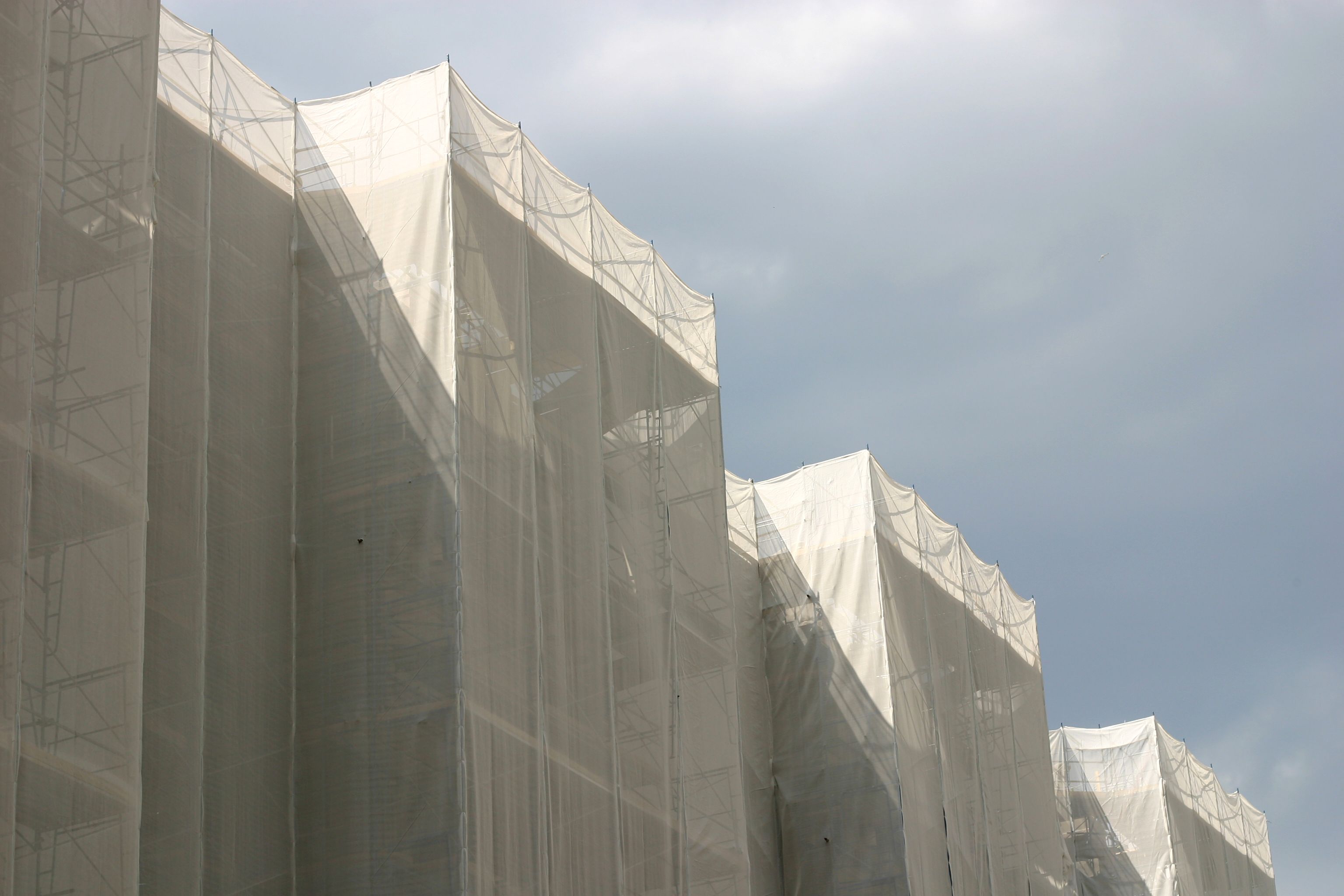
Myth 1: Building Envelopes Are Just About Walls
A prevalent myth is that building envelopes only involve walls. In reality, they encompass everything from the roof, windows, and doors to foundations. Each part plays a significant role in maintaining the building's integrity and performance.
Ignoring these components can lead to inefficiencies and increased maintenance costs. A comprehensive approach ensures balance and harmony in design and function.
Myth 2: Energy Efficiency Is Solely About Insulation
While insulation is vital, it's not the only factor in energy efficiency. The building envelope's overall design, including air sealing and thermal bridging reduction, significantly impacts energy conservation. Proper sealing prevents unwanted air infiltration, enhancing comfort and reducing utility bills.
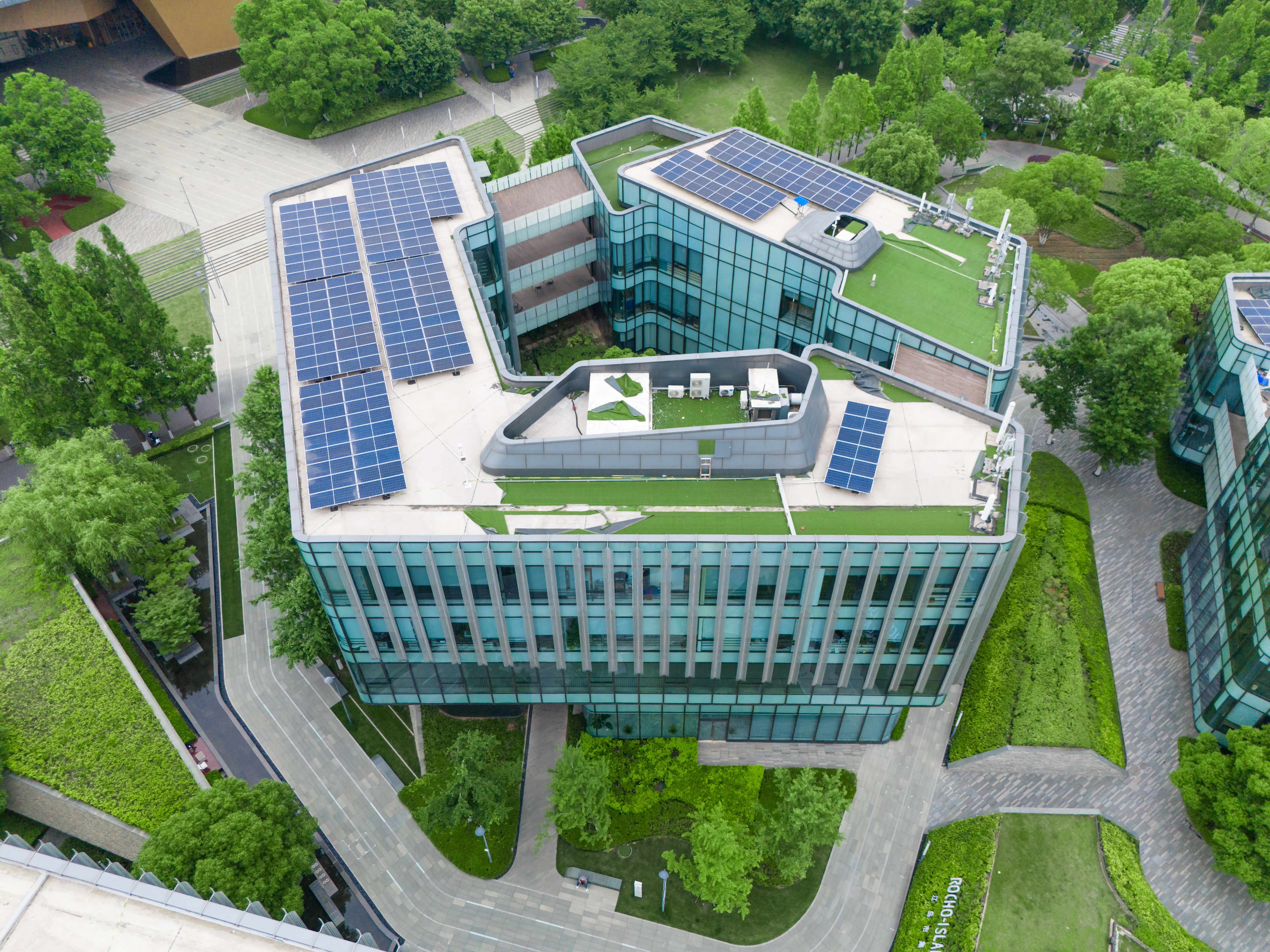
By considering all elements, from material choice to installation quality, building envelopes can achieve optimal energy performance.
Myth 3: Building Envelopes Are Only Important in Cold Climates
Another common misconception is that building envelopes matter only in cold climates. In reality, they are crucial in all weather conditions. In hot climates, they help keep cool air in and hot air out, reducing the load on air conditioning systems.
Effective envelopes ensure a stable indoor environment regardless of external weather, making them essential worldwide.
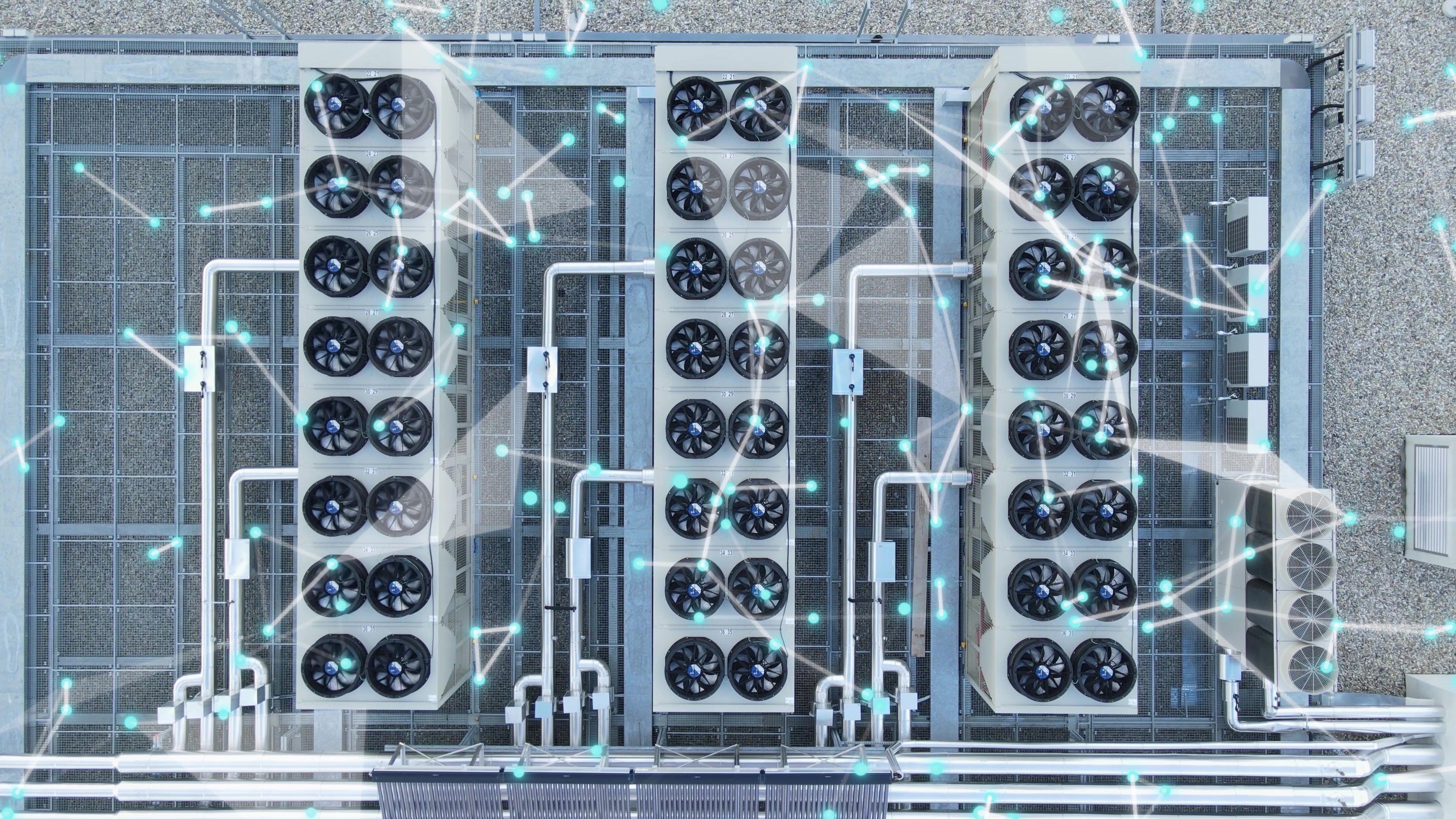
Myth 4: More Expensive Materials Mean Better Performance
It's easy to assume that pricier materials guarantee superior performance. However, the effectiveness of a building envelope depends on the right combination of materials, design, and installation. Sometimes, cost-effective solutions can be more efficient if chosen and applied correctly.
Investing in a well-thought-out design and skilled craftsmanship often yields better results than merely opting for the most expensive materials.
Myth 5: Maintenance Is Unnecessary
Many believe that once a building envelope is in place, it requires no further attention. However, regular maintenance is essential to preserve its functionality and longevity. Routine checks can identify potential issues before they escalate, saving money and preventing damage.
Proper care ensures that the building envelope continues to protect and serve its purpose over time.

Conclusion
Understanding and debunking these myths is crucial for anyone involved in building design or maintenance. A well-designed and maintained building envelope enhances energy efficiency, comfort, and durability, proving its value in construction projects worldwide.