
The Ultimate Guide to Cladding Solutions in Nova Scotia
Understanding Cladding
Cladding is an essential component of a building's exterior that serves both aesthetic and functional purposes. In Nova Scotia, where buildings face diverse weather conditions, selecting the right cladding material is crucial. It not only enhances the visual appeal but also offers protection against environmental elements.
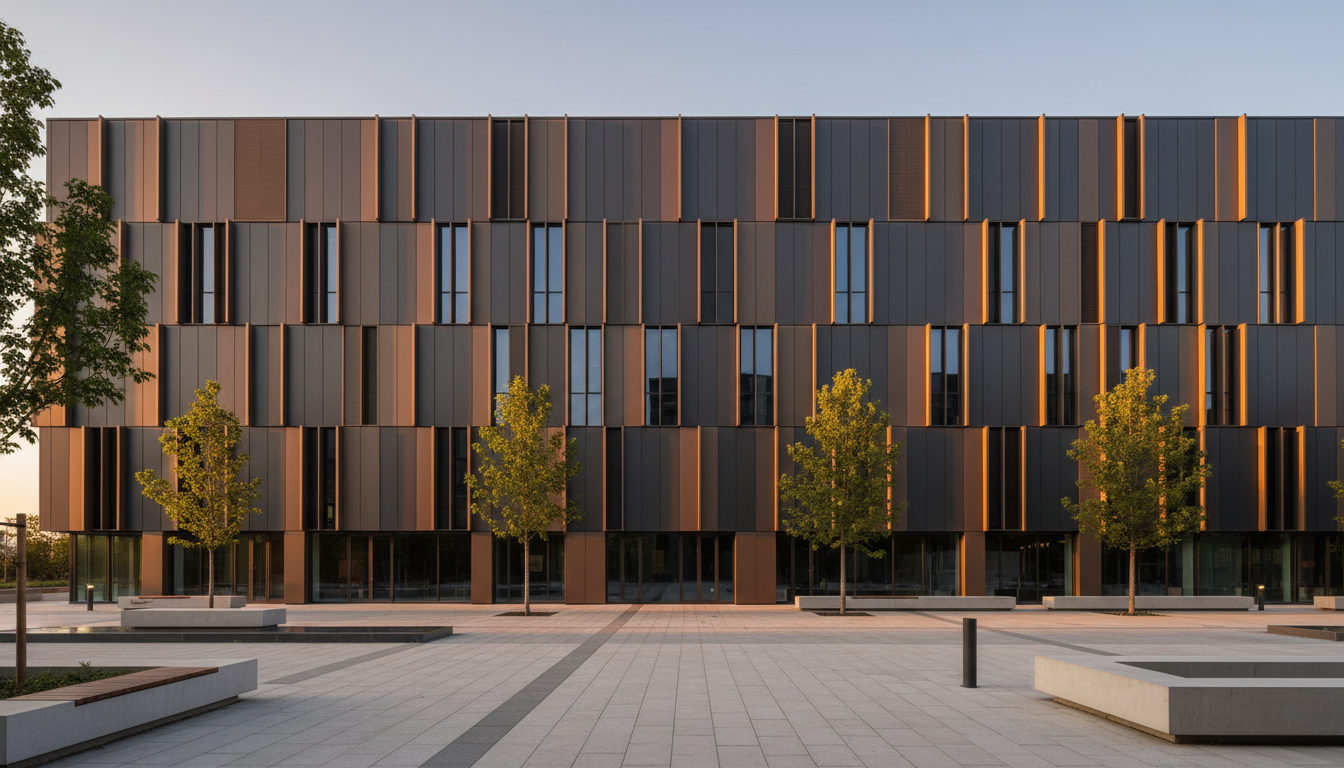
There are several types of cladding materials available, each with its own benefits and drawbacks. Some popular options include vinyl, wood, metal, and fiber cement. Understanding the unique characteristics of each material can help in making an informed decision.
Popular Cladding Materials
Vinyl Cladding
Vinyl cladding is a popular choice due to its affordability and low maintenance. It is available in a variety of colors and styles, mimicking the look of wood without the associated upkeep. Additionally, vinyl is resistant to moisture, which is a significant advantage in Nova Scotia's humid climate.
Wood Cladding
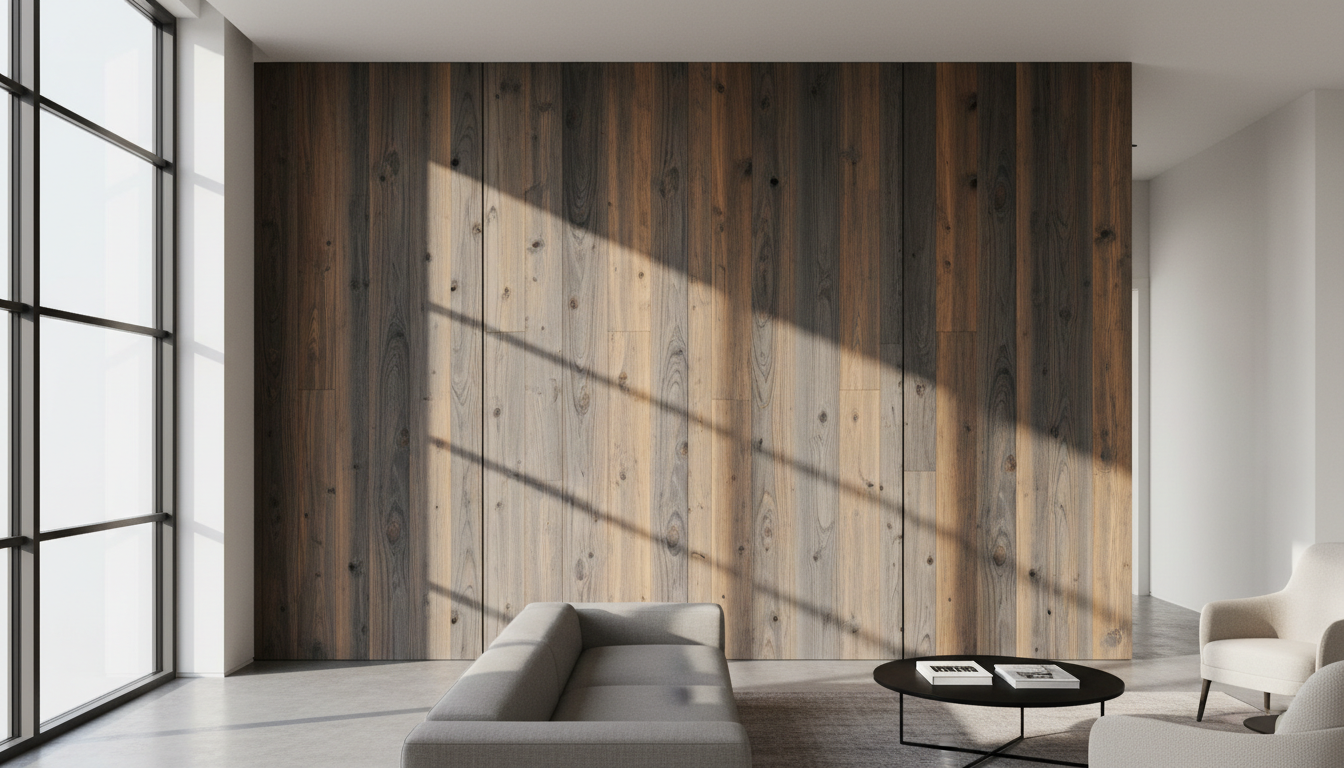
Wood cladding offers a natural and classic look, providing a warm and inviting appearance. However, it requires regular maintenance to prevent damage from moisture and pests. Cedar and redwood are commonly used types of wood cladding due to their durability and resistance to decay.
Innovative Cladding Solutions
Metal Cladding
Metal cladding, often made from aluminum or steel, provides a sleek and modern finish. It is highly durable and can withstand harsh weather conditions, making it ideal for the coastal regions of Nova Scotia. Metal cladding is also recyclable, contributing to sustainable building practices.
Fiber Cement Cladding
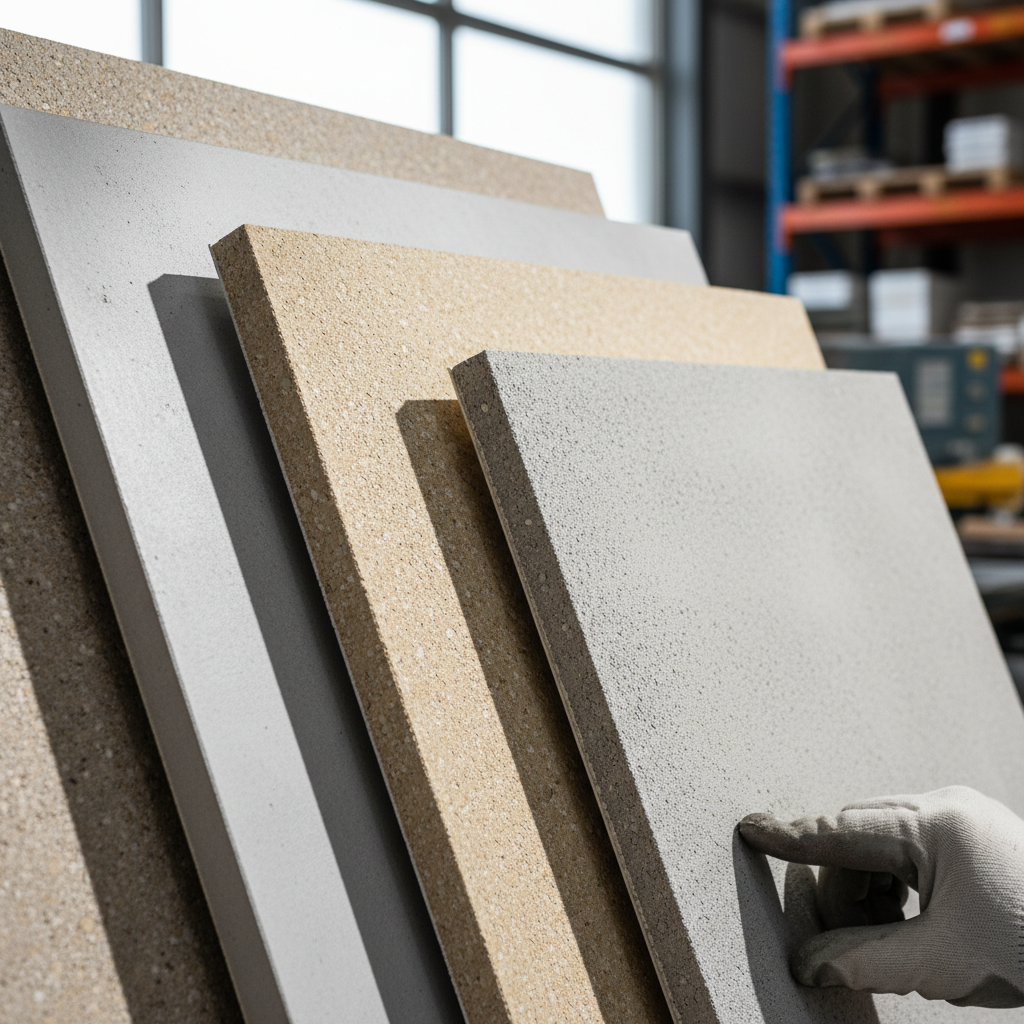
Fiber cement cladding combines the durability of cement with the aesthetic appeal of wood. It is resistant to fire, pests, and rot, offering a robust solution for long-term building protection. Fiber cement can be painted in various colors, allowing for customization without sacrificing durability.
Choosing the Right Cladding
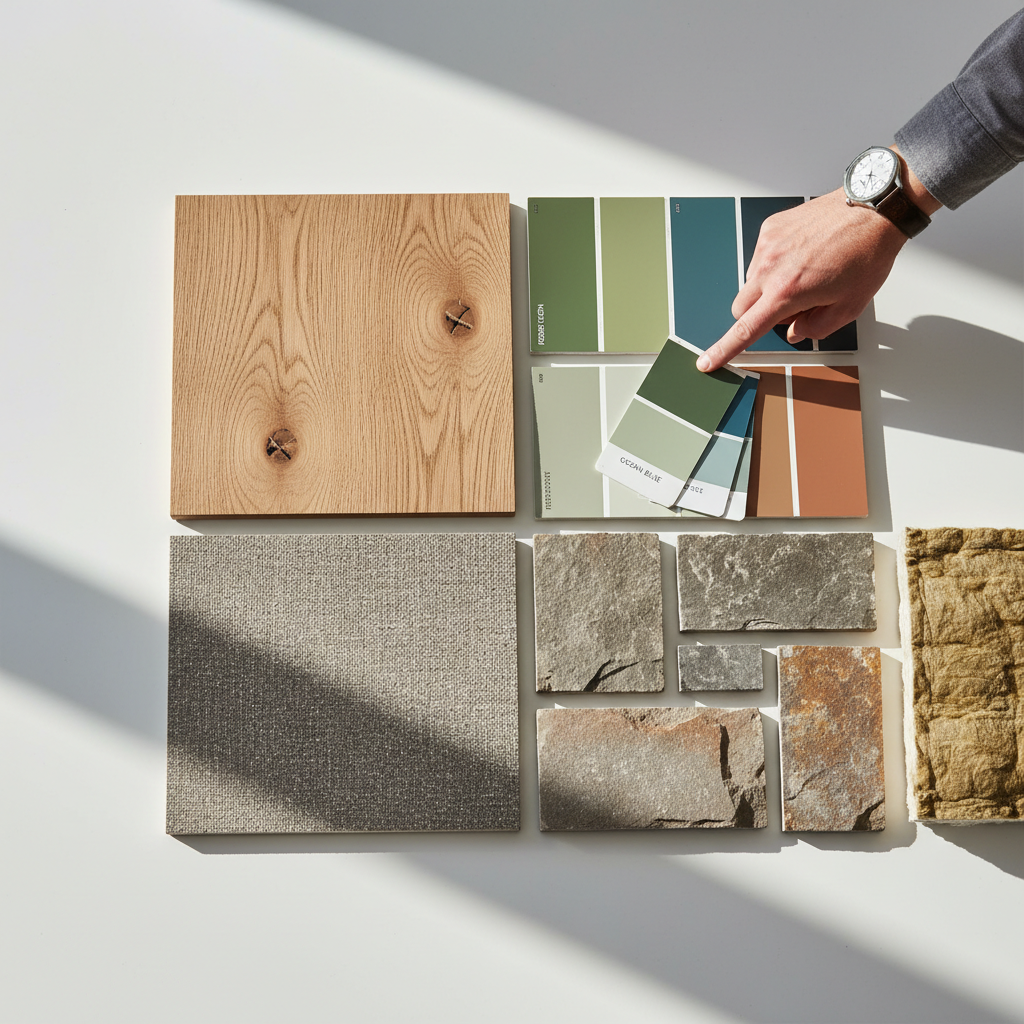
When selecting cladding, consider factors such as climate, budget, and maintenance requirements. It is essential to evaluate how each material performs under specific weather conditions prevalent in Nova Scotia. Consulting with local experts can provide valuable insights and recommendations.
Another critical aspect is the environmental impact of the chosen material. Opting for sustainable and recyclable materials can significantly reduce a building's carbon footprint. This approach not only benefits the environment but also enhances the property's value.
Installation and Maintenance
Proper installation is vital to ensure the longevity and performance of cladding solutions. Engaging professional installers can prevent common issues such as water infiltration and improper sealing. Regular maintenance, tailored to the specific material, is also essential to preserve the cladding's appearance and structural integrity.
In summary, cladding solutions in Nova Scotia require careful consideration of materials, installation, and maintenance practices. By understanding the options available and their respective benefits, homeowners and builders can create durable and visually appealing exteriors that withstand the test of time.