The Ultimate Guide to Cladding Solutions in Dartmouth
Introduction to Cladding Solutions
When it comes to enhancing both the aesthetic appeal and durability of buildings in Dartmouth, cladding solutions play a crucial role. Cladding not only provides an additional layer of protection but also offers a range of design possibilities. Whether you're involved in a new construction project or renovating an existing structure, understanding the various cladding options available can significantly impact your decision-making process.
Types of Cladding Materials
Wood Cladding
Wood cladding is a popular choice for its natural beauty and warm appearance. It's available in various forms, such as shingles or panels, and can be treated to improve its resistance to weather and pests. However, it requires regular maintenance to retain its appearance over time.
Metal Cladding
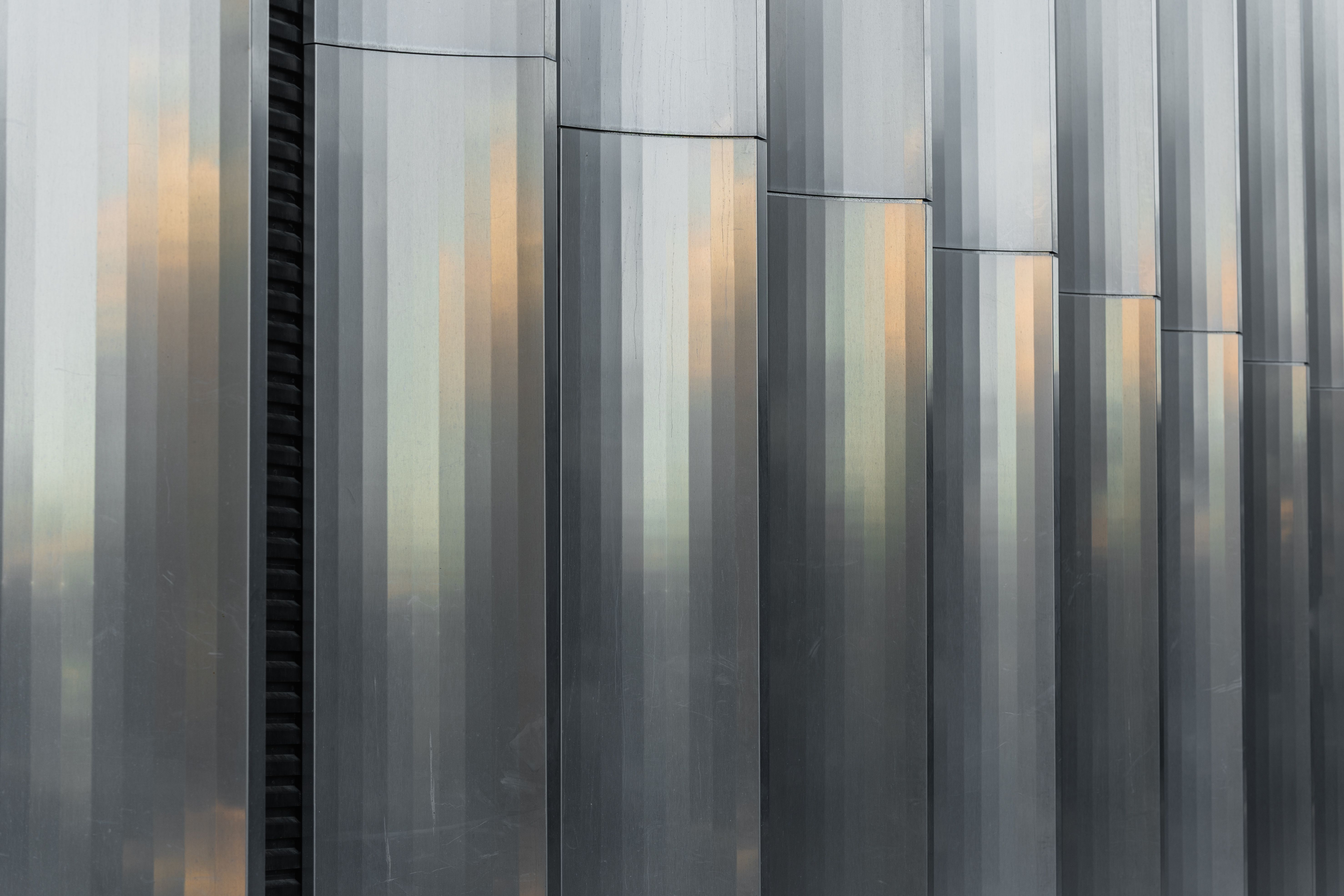
Metal cladding offers a sleek and modern look, often used in commercial buildings. Materials like aluminum, steel, and zinc are common due to their durability and low maintenance needs. Metal cladding is also notable for its resistance to fire and extreme weather conditions.
Vinyl Cladding
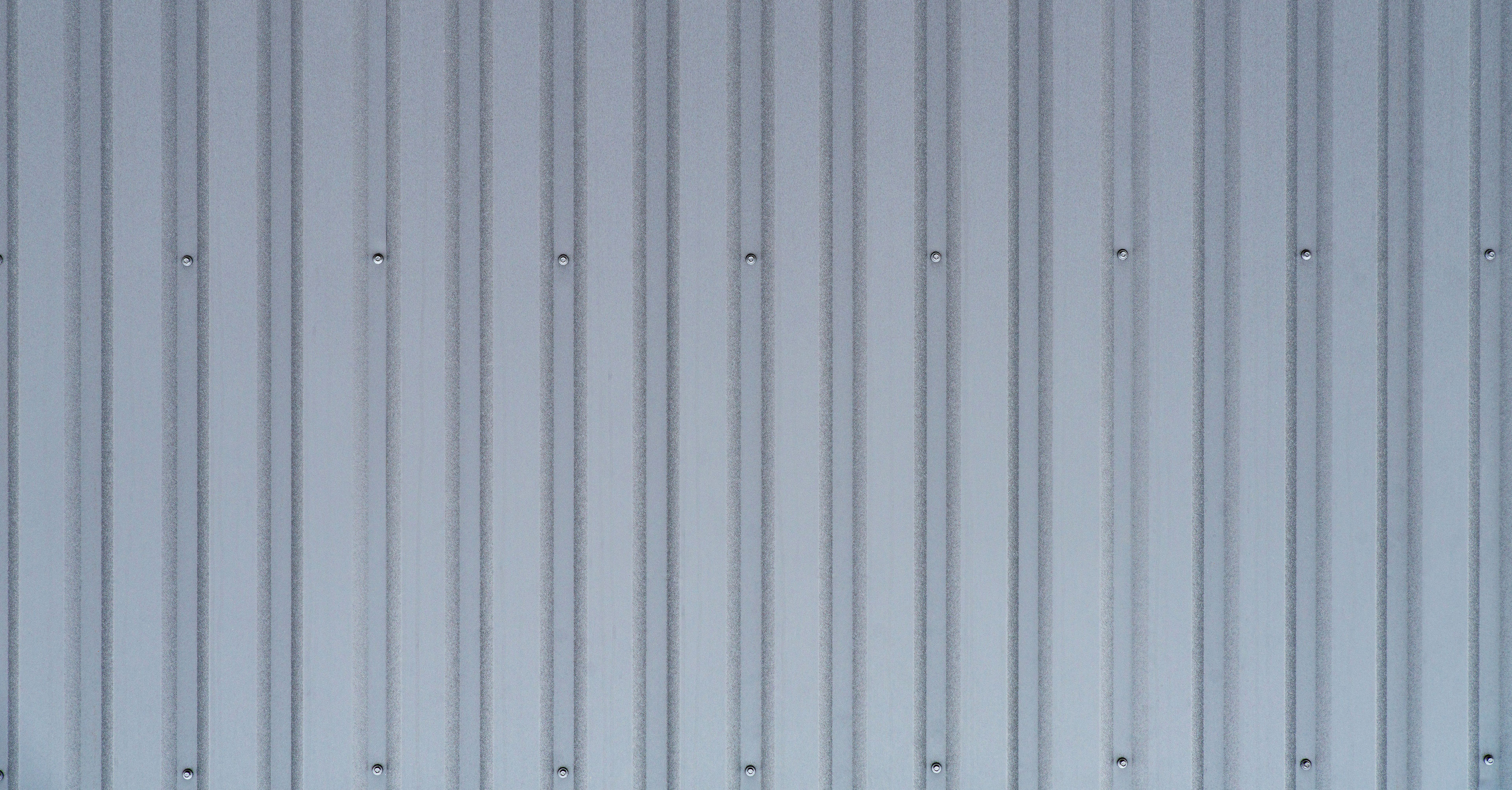
Vinyl cladding is an economical option that requires minimal upkeep. It's available in various colors and styles, making it a versatile choice for residential applications. While it's not as durable as metal, advancements in manufacturing have improved its performance and longevity.
Benefits of Cladding
Cladding provides numerous benefits beyond aesthetics. It acts as an extra layer of insulation, helping to reduce energy costs by maintaining consistent indoor temperatures. Additionally, cladding protects the underlying structure from environmental damage, such as rain, wind, and UV rays, thereby extending the building's lifespan.
Choosing the Right Cladding Solution
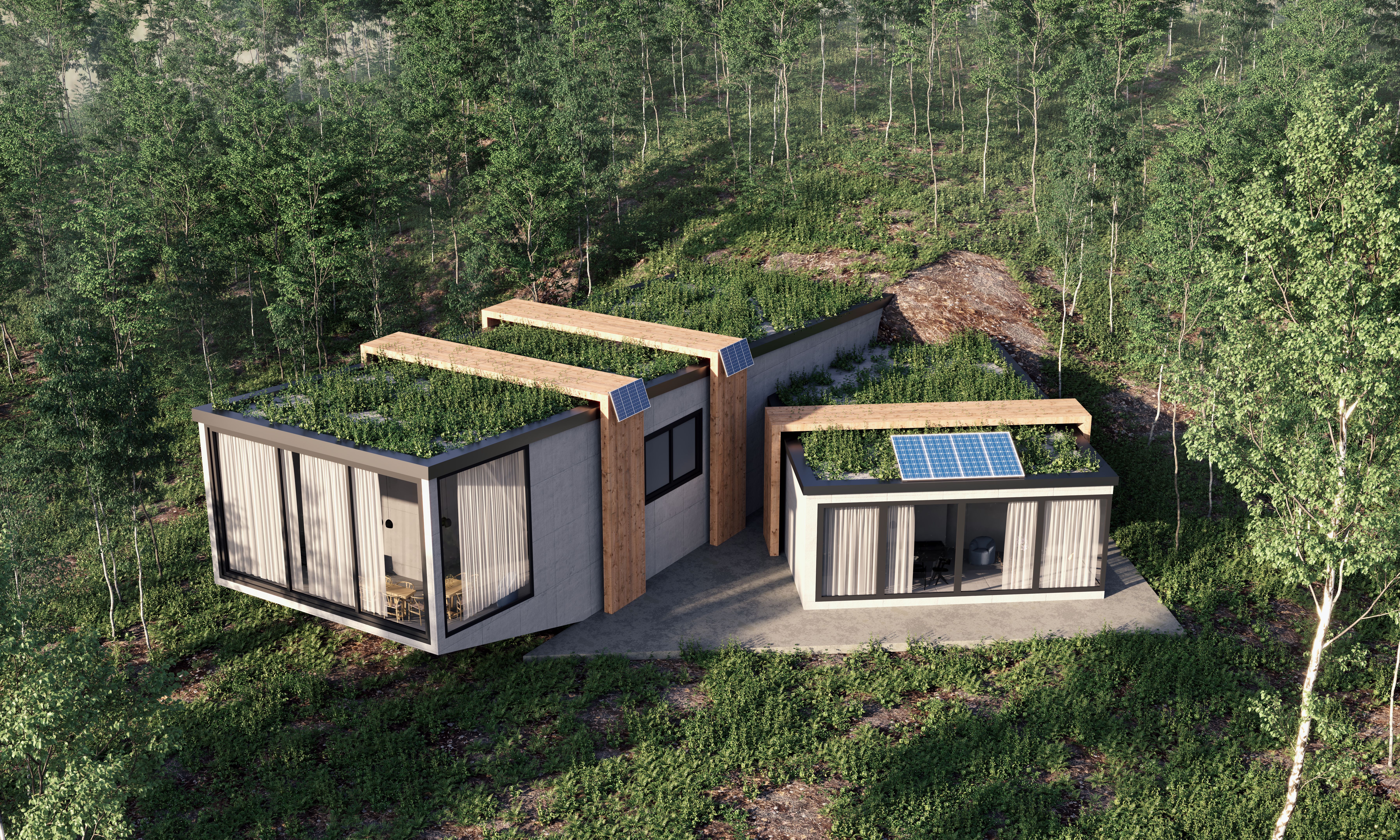
Selecting the right cladding involves considering factors such as building type, budget, and desired aesthetic. Consulting with a professional can provide valuable insights into what materials and installation techniques will best suit your project needs. It's also essential to consider local building codes and regulations when making your choice.
Installation and Maintenance
Proper installation is key to maximizing the benefits of cladding. It's crucial to hire experienced installers who understand the specific requirements of each material. Regular maintenance, such as cleaning and inspections, will help prolong the life of your cladding and keep it looking its best.
Conclusion
Cladding solutions in Dartmouth offer an excellent way to enhance the durability and appearance of buildings. By understanding the different materials and their benefits, you can make informed decisions that align with your architectural vision and functional requirements. Investing in the right cladding solution ensures long-term satisfaction and protection for your property.