Pro Tips for Successful Kitchen Remodeling Projects
Understanding Your Needs
Embarking on a kitchen remodeling project is an exciting venture. Before you begin, it's essential to understand your specific needs and how you use your kitchen. Consider the layout, storage requirements, and any desired upgrades. Make a list of must-haves and nice-to-haves to guide your planning process.
Think about how your family utilizes the kitchen space. Do you need more seating for casual meals, or is additional counter space for food prep a priority? Understanding these aspects can help you create a functional and enjoyable kitchen.

Setting a Realistic Budget
Establishing a realistic budget is crucial for a successful kitchen remodel. Consider all the costs involved, including materials, labor, and any unexpected expenses. It's wise to set aside a contingency fund for unexpected issues that may arise during the renovation.
Researching the cost of materials and comparing quotes from different contractors can provide a clearer picture of what to expect. Remember, while it might be tempting to go for the cheapest option, investing in quality materials and workmanship can save you money in the long run.
Choosing the Right Contractor
A professional contractor can make or break your remodeling project. Take the time to research and interview multiple contractors. Look for someone with extensive experience in kitchen remodeling and check their references and past work.
Communication is key. Ensure that you feel comfortable discussing your vision and concerns with the contractor. A good working relationship can lead to a more seamless renovation process.

Optimizing Your Kitchen Layout
The layout of your kitchen greatly affects its functionality. Consider the classic work triangle, which involves the sink, stove, and refrigerator. This layout promotes efficiency and minimizes unnecessary movement.
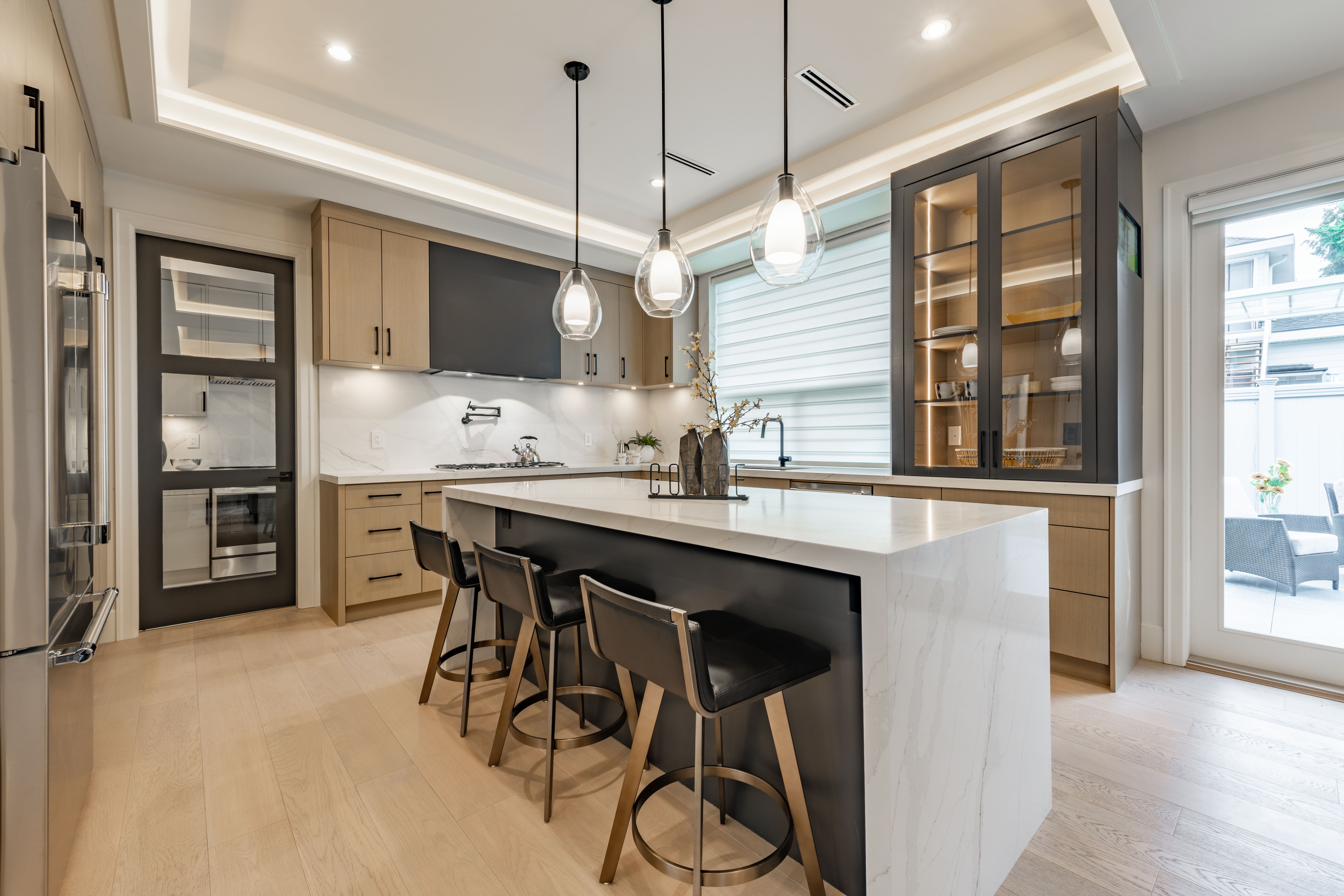
However, don't be afraid to explore alternative layouts that might suit your space better. Islands, peninsulas, and open shelving can add both style and functionality. Think creatively to make the most of your available space.
Incorporating Energy-Efficient Appliances
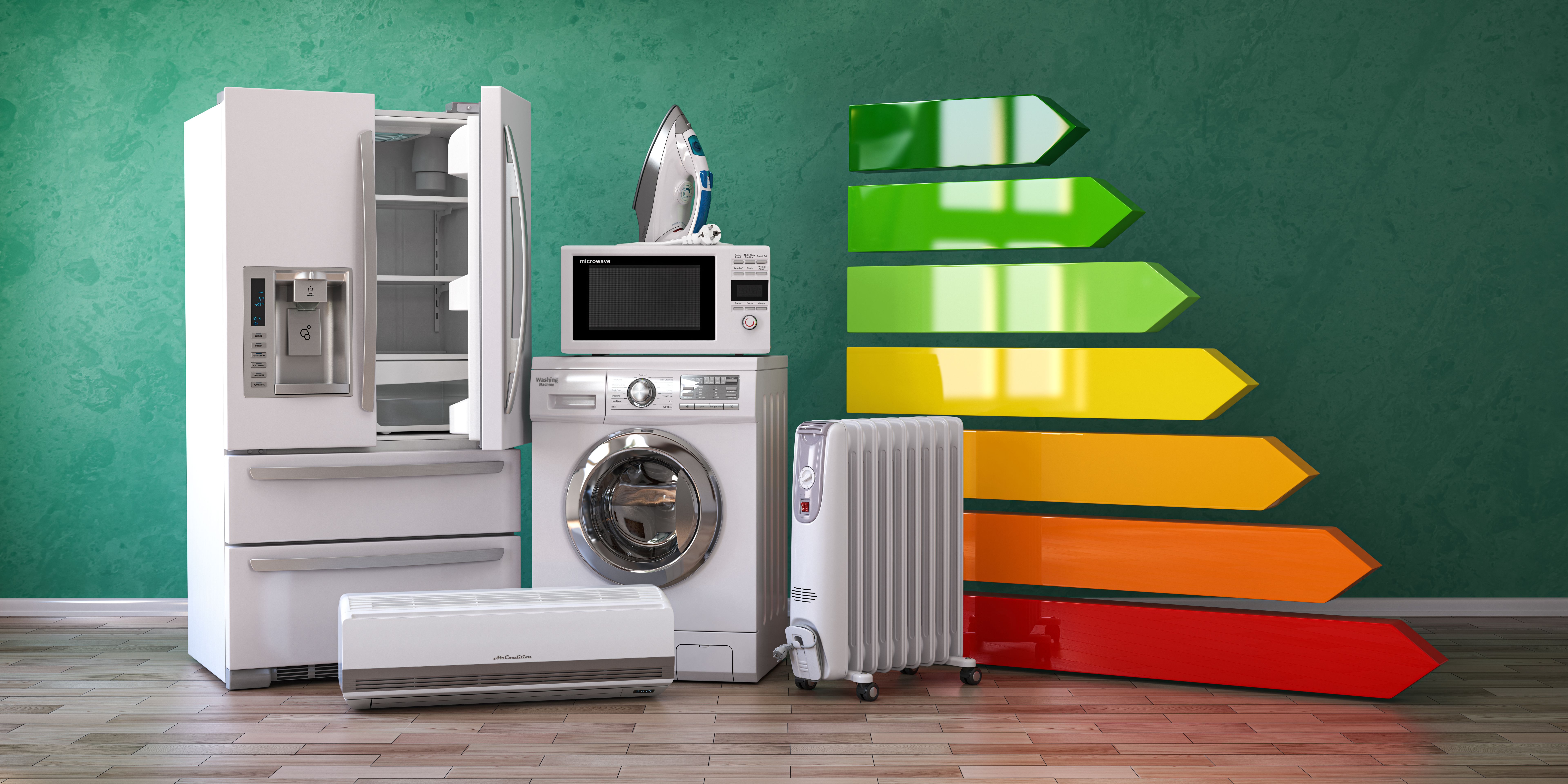
Upgrading to energy-efficient appliances can significantly reduce your utility bills and environmental footprint. Look for appliances with the ENERGY STAR label, which indicates they meet energy efficiency guidelines set by the U.S. Environmental Protection Agency.
Consider appliances that offer smart technology, allowing you to monitor and control their energy use from your smartphone. This not only adds convenience but also promotes a more sustainable home.
Choosing the Right Materials
When it comes to materials, durability and aesthetics should guide your choices. Countertops, cabinets, and flooring are key elements that can impact the overall look and functionality of your kitchen.
Popular options like granite, quartz, or butcher block countertops each have their own benefits and drawbacks. Consider your lifestyle, maintenance preferences, and budget when making your selections.
Lighting and Finishing Touches
Lighting plays a vital role in both the functionality and ambiance of your kitchen. A combination of task, ambient, and accent lighting can create a balanced and inviting space. Don’t forget about under-cabinet lighting, which can enhance visibility for meal preparation.
Finally, pay attention to the smaller details such as hardware, backsplashes, and paint colors. These finishing touches can tie the entire design together, adding personality and character to your kitchen.