Nova Scotia Roofing Regulations: What Homeowners Must Know
Understanding Nova Scotia Roofing Regulations
For homeowners in Nova Scotia, understanding local roofing regulations is crucial when planning a new roof installation or repair. These regulations ensure safety, quality, and environmental compliance. Being informed can save you time, money, and potential legal issues.
Building Permits and Approvals
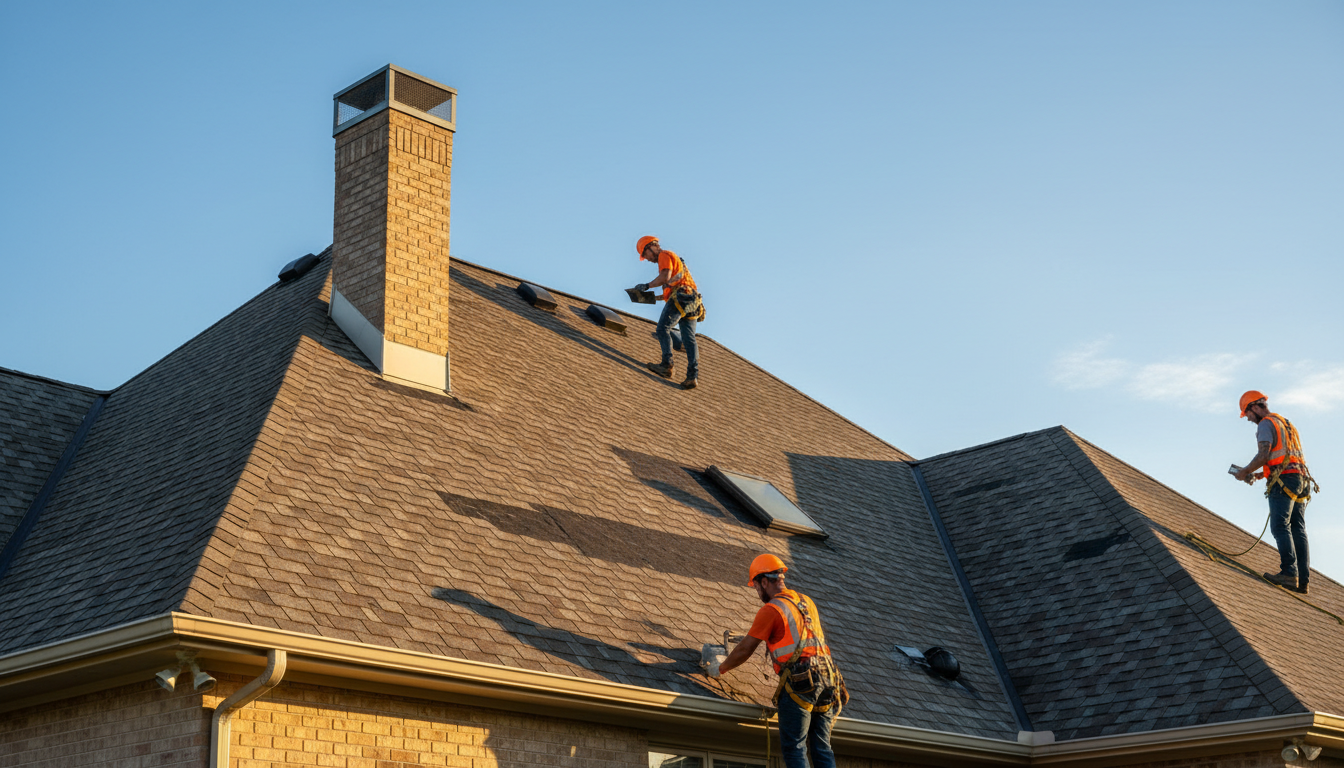
Before beginning any roofing project, securing the necessary permits is essential. In Nova Scotia, a building permit is often required for significant roof repairs or replacements. This process involves submitting detailed plans and specifications to your local municipality. Failing to obtain a permit can result in fines or project delays.
It's important to note that minor repairs might not require a permit. However, it’s best to check with local authorities to determine the specific requirements for your area.
Adherence to Building Codes
Nova Scotia's building codes set the standards for construction practices, including roofing. These codes cover various aspects, such as structural integrity, wind resistance, and insulation. Ensuring your roofing project meets these standards is vital for safety and compliance.

Working with a professional roofer who is familiar with these codes can help ensure that your project adheres to all necessary regulations. This not only guarantees compliance but also enhances the longevity and performance of your roof.
Environmental Considerations
Environmental sustainability is a growing concern in Nova Scotia’s roofing industry. Homeowners are encouraged to choose eco-friendly materials and practices. This includes using recycled materials, installing reflective roofing, or considering green roofing options.
These environmentally conscious choices can lead to energy savings and may qualify for government incentives or rebates, making them financially beneficial in the long run.
Hiring Licensed Contractors
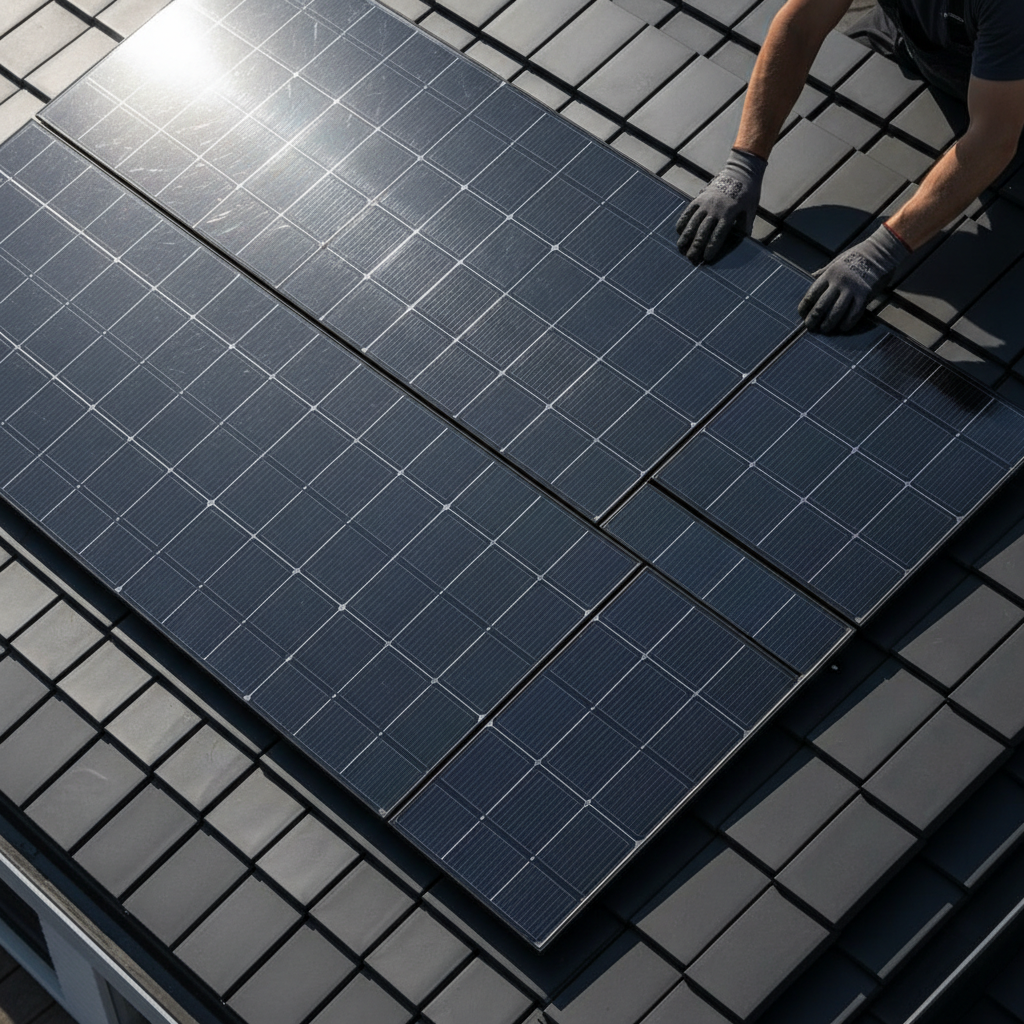
Choosing the right contractor is crucial for a successful roofing project. In Nova Scotia, contractors must hold a valid license to operate legally. Hiring a licensed contractor ensures they have the necessary skills and knowledge to comply with local regulations.
Additionally, licensed contractors typically offer warranties on their workmanship, providing added peace of mind for homeowners.
Insurance and Liability
Before any roofing work begins, verify that your contractor has adequate insurance coverage. This includes liability insurance to cover any potential damage to your property and worker's compensation for any on-site injuries.
Having proper insurance coverage protects both the homeowner and the contractor, mitigating financial risks associated with roofing projects.
Final Inspections
After completing your roofing project, a final inspection by local authorities may be required. This ensures that the work complies with all applicable regulations and standards. Successfully passing this inspection is crucial for the legal and functional approval of your new roof.
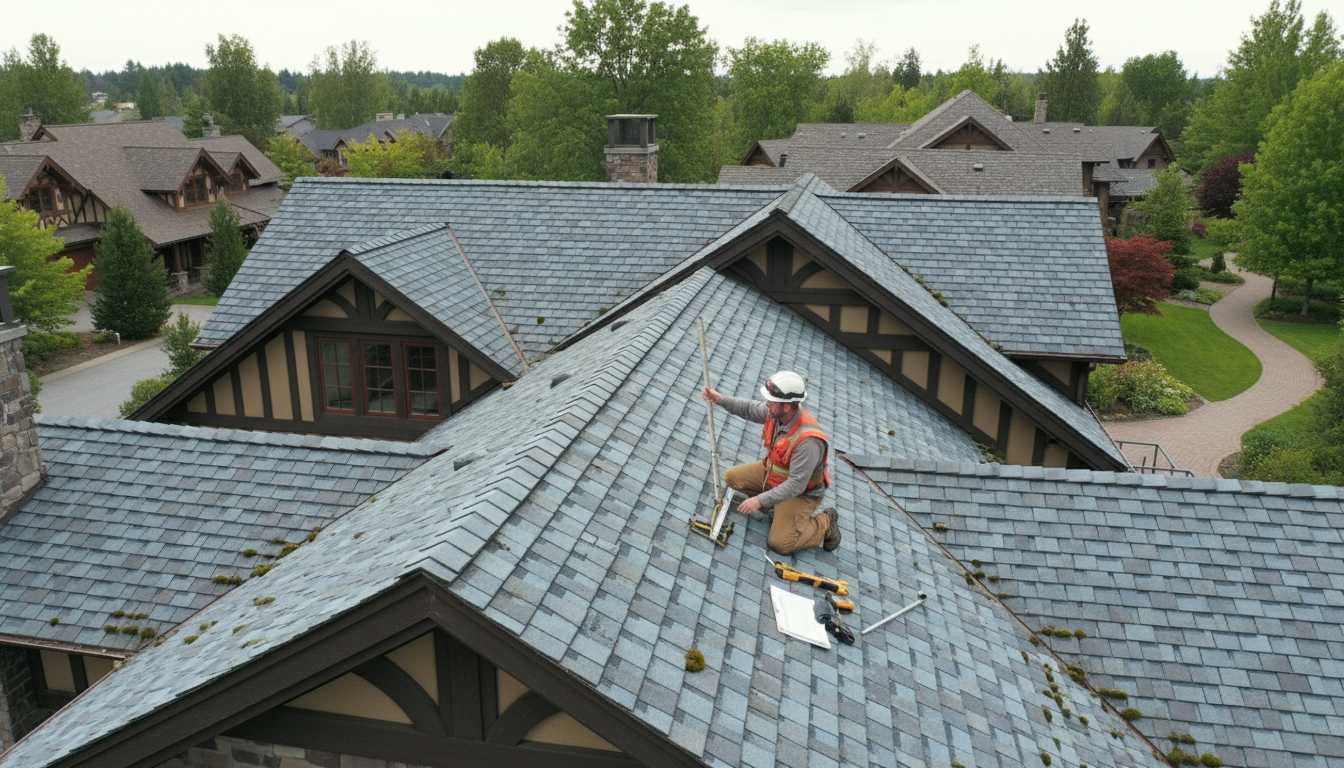
Being proactive in understanding and adhering to Nova Scotia’s roofing regulations can enhance the success of your roofing project. By following these guidelines, homeowners can enjoy a safe, durable, and compliant roof for years to come.