Navigating Nova Scotia's Building Regulations: A Contractor's Guide
For contractors working in Nova Scotia, understanding the building regulations is crucial to ensure compliance and success in your projects. Whether you're constructing a new building or renovating an existing structure, being well-versed in the provincial regulations can save you time, money, and legal troubles.

Understanding Provincial Building Codes
The foundation of any construction project in Nova Scotia is the provincial building code. This code outlines the minimum standards for construction to ensure safety and durability. It covers aspects such as structural integrity, fire safety, energy efficiency, and accessibility.
Adhering to these codes is not just about compliance; it's about building trust with your clients. Ensuring that every project meets or exceeds these standards can enhance your reputation as a reliable contractor.
Key Areas of Focus
- Structural Requirements: Ensure that all loads and stresses are accounted for in your building plans.
- Fire Safety: Incorporate fire-resistant materials and ensure proper exits and alarms are in place.
- Energy Efficiency: Utilize modern insulation and energy-saving technologies to meet the latest efficiency standards.

Obtaining Necessary Permits
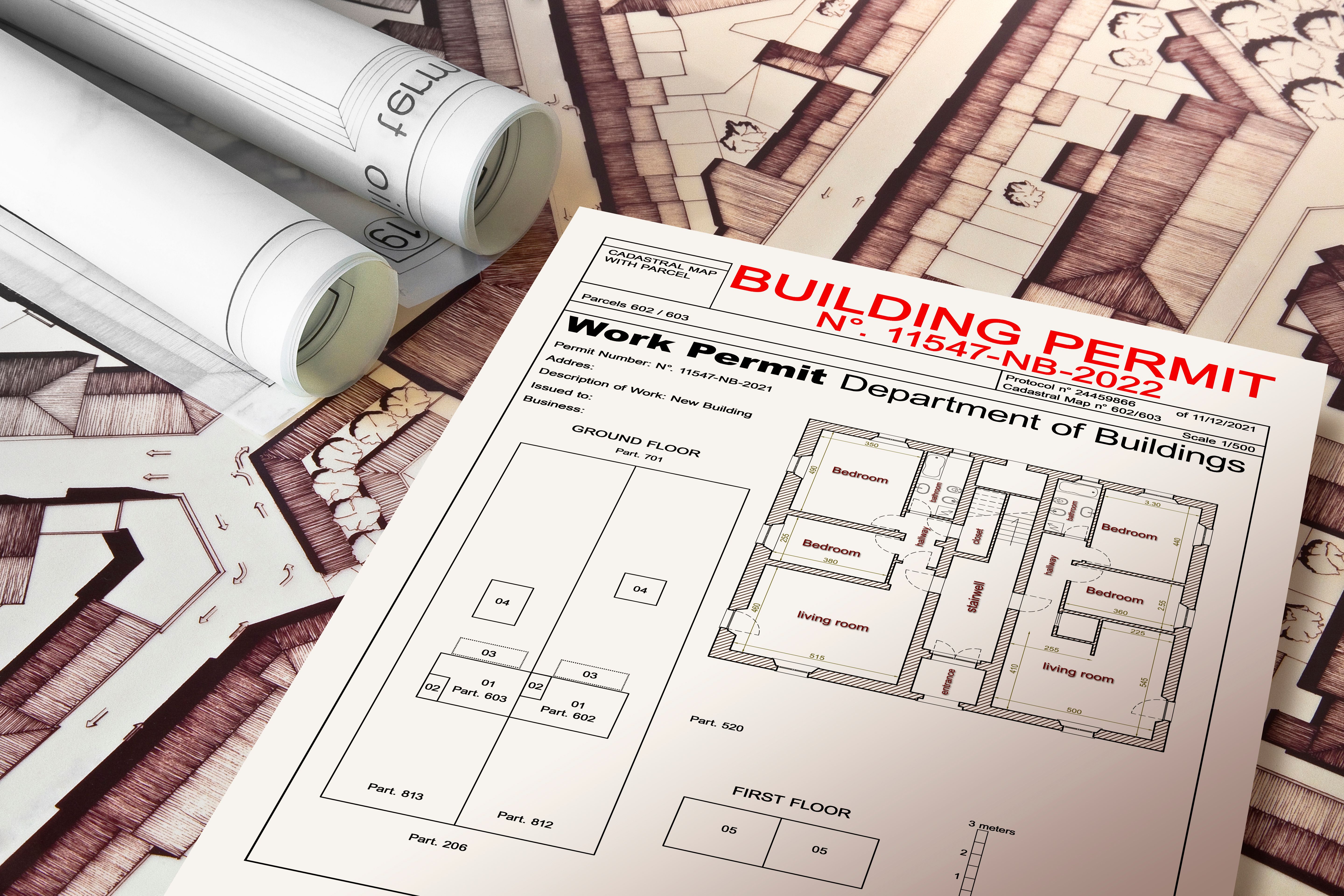
Before breaking ground on any project, securing the necessary permits is a critical step. Permits are required for new constructions, renovations, and even some demolitions. The process can vary depending on the municipality, so it’s important to be familiar with local regulations.
Failure to obtain the proper permits can result in fines, delays, and even legal action, which can significantly impact your project timeline and budget.
Steps to Secure Permits
- Consult with your local building authority to understand specific requirements.
- Prepare detailed plans and documents that comply with the building code.
- Submit your application and pay any associated fees.
- Await approval before commencing any work.
Staying Current with Regulations
Building codes and regulations are not static; they evolve over time. As a contractor, it's essential to stay informed about any changes in the regulations that could affect your projects. Subscribing to industry newsletters, attending workshops, and participating in professional organizations are excellent ways to keep up-to-date.
By staying current, you protect not only your business but also the safety and satisfaction of your clients. It ensures that your projects are sustainable and future-proof, meeting both current and anticipated standards.
Resources for Contractors
There are several resources available for contractors to assist with understanding and implementing building regulations:
- Provincial building departments and websites.
- Professional associations for builders and contractors.
- Continuing education programs and certifications.
Navigating Nova Scotia's building regulations may seem daunting, but with the right knowledge and resources, it becomes a manageable and integral part of your business operations. By prioritizing compliance and quality, you set the foundation for successful and enduring projects.