
Navigating Local Building Regulations for Home Renovations in Dartmouth
Understanding Local Building Regulations
Embarking on a home renovation project in Dartmouth can be an exciting journey, but it’s crucial to navigate local building regulations effectively. These regulations ensure that your renovation is safe, sustainable, and in harmony with the local community standards.
Before you begin, it’s essential to familiarize yourself with the specific codes and requirements that apply to your project. Understanding these regulations can save you time, money, and a lot of headaches down the road.
Researching the Requirements
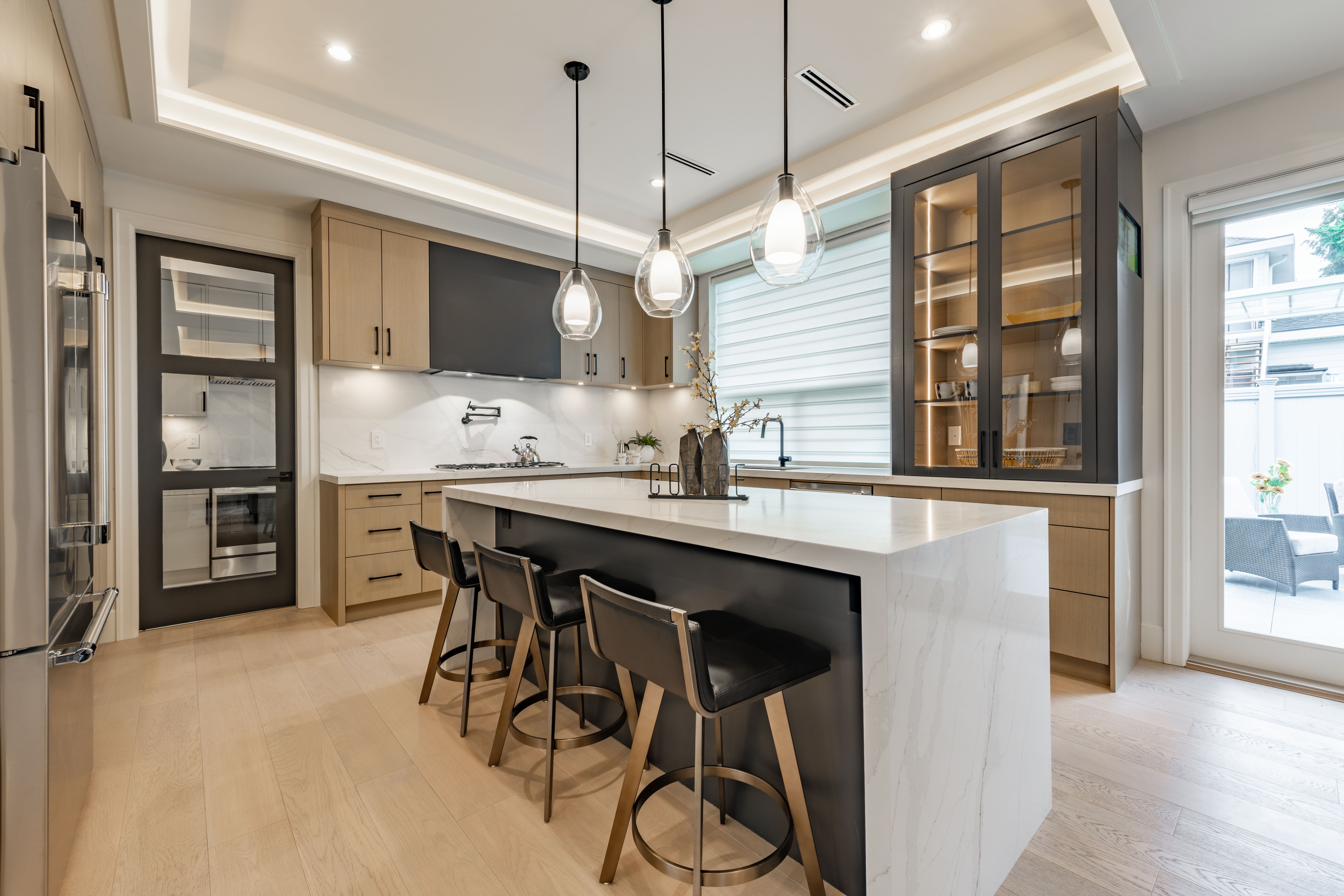
The first step in any renovation project is researching what permits and approvals you'll need. Dartmouth has specific guidelines depending on the nature and scope of your renovation. Whether it’s a simple kitchen remodel or a major extension, knowing the requirements ahead of time is crucial.
Visit the local municipal website or contact the planning department directly. They can provide resources and information on zoning laws, building codes, and any other specific requirements for your area.
Hiring the Right Professionals
Working with experienced professionals who are familiar with Dartmouth’s building regulations can make a world of difference. Architects, contractors, and builders who have previously worked in the area will have insight into the local building codes and can help streamline the approval process.
It’s also a good idea to ensure that any professional you hire is licensed and insured, providing an additional layer of security and peace of mind.

Submitting Your Application
Once you’ve gathered all necessary information and documentation, it’s time to submit your application. Be prepared to provide detailed plans and specifications of your proposed renovation. This will typically include architectural drawings, site plans, and any other relevant documents.
Ensure that your application is as detailed as possible to avoid delays. The more comprehensive your submission, the quicker the review process is likely to be.
Dealing with Inspections
After obtaining your permits and starting your renovation, inspections will be a part of the process. These inspections are designed to ensure that the work complies with all safety and building standards. Be sure to schedule these inspections at the appropriate stages of your renovation.
Keeping open communication with your inspector can facilitate smoother progress and help address any issues promptly.

Common Challenges and Solutions
Navigating building regulations can present challenges, such as unexpected changes in zoning laws or additional requirements. Staying informed and adaptable is key. Regularly checking updates from the local planning department can help you stay ahead of potential issues.
If you encounter a problem, consult with your contractor or a legal advisor specializing in local building laws to explore your options.
Finalizing Your Renovation
Once your renovation is complete and all inspections have been passed, you’ll receive final approval. This is an important step that officially closes the permitting process and ensures that your renovation is fully compliant.
Keeping a record of all permits, approvals, and inspections can be invaluable for future reference, whether for potential resale or future renovations.
By thoroughly understanding and adhering to local building regulations, you can ensure a smoother renovation process, resulting in a home upgrade that is both beautiful and compliant.