
How to Differentiate Between Cladding and Siding for Your Project
Understanding Cladding and Siding
When embarking on a construction or renovation project, choosing the right exterior finish is crucial. Two common options are cladding and siding. While they may seem similar, understanding their differences can help you make an informed decision that enhances both the aesthetic appeal and functionality of your building.
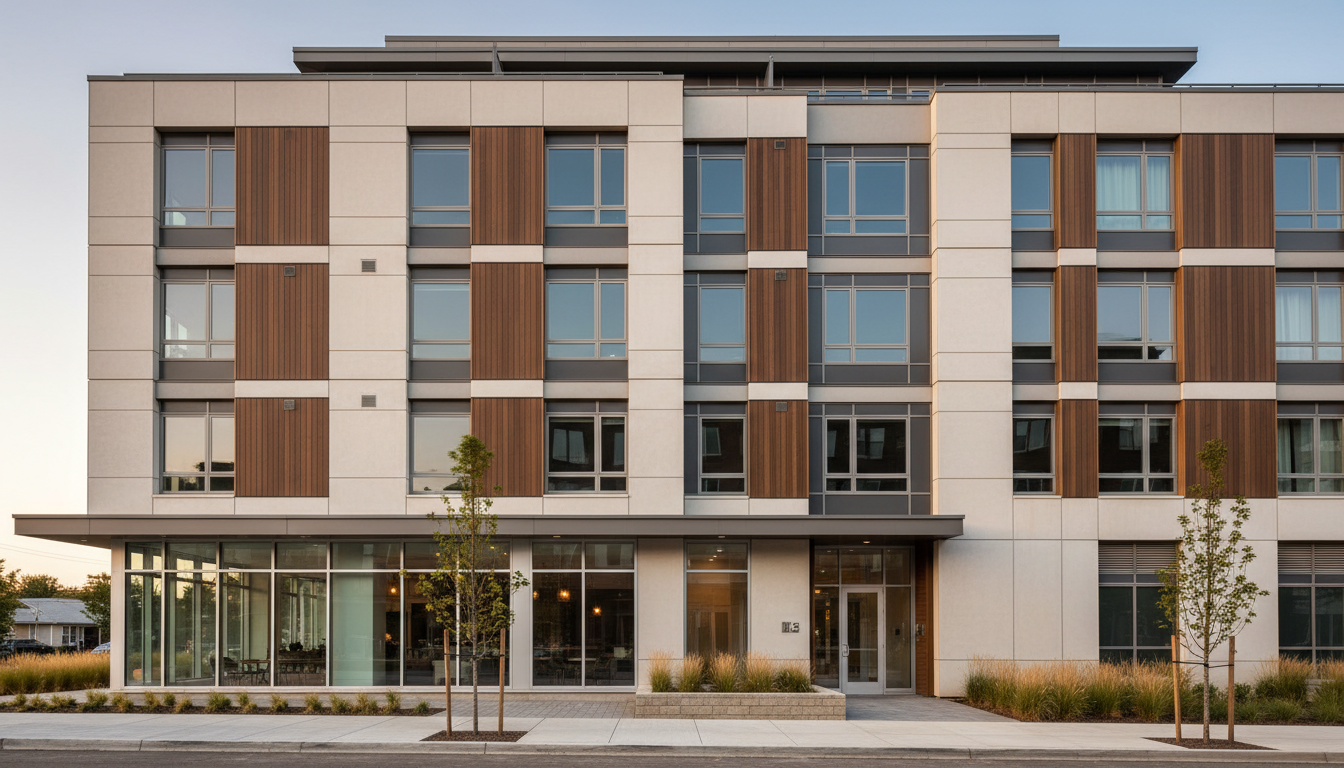
What is Cladding?
Cladding refers to a layer of material added to the exterior of a building to provide thermal insulation, weather resistance, and an improved appearance. It can be made from a variety of materials, including wood, metal, vinyl, and composite materials. The primary purpose of cladding is to protect the building structure and enhance its appearance without being a load-bearing element.
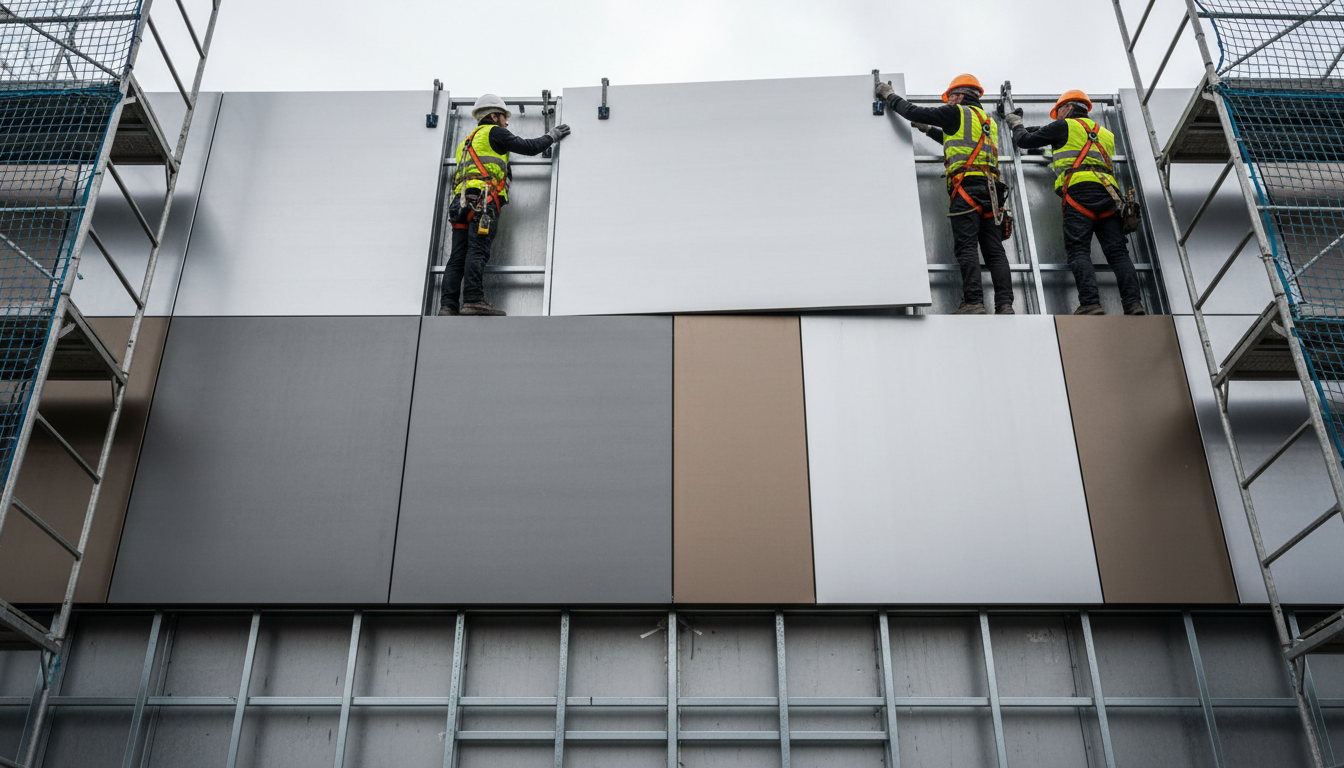
Types of Cladding
There are several types of cladding to choose from, each offering unique benefits:
- Wooden Cladding: Offers a natural look but requires regular maintenance.
- Metal Cladding: Provides a modern aesthetic and is highly durable.
- Vinyl Cladding: Cost-effective and low-maintenance.
- Composite Cladding: Combines materials for enhanced performance.
What is Siding?
Siding, similar to cladding, is the material applied to the exterior of a building to protect it from weather and improve its appearance. However, siding is often more directly involved in the building's structural integrity. Common siding materials include wood, vinyl, fiber cement, and aluminum.
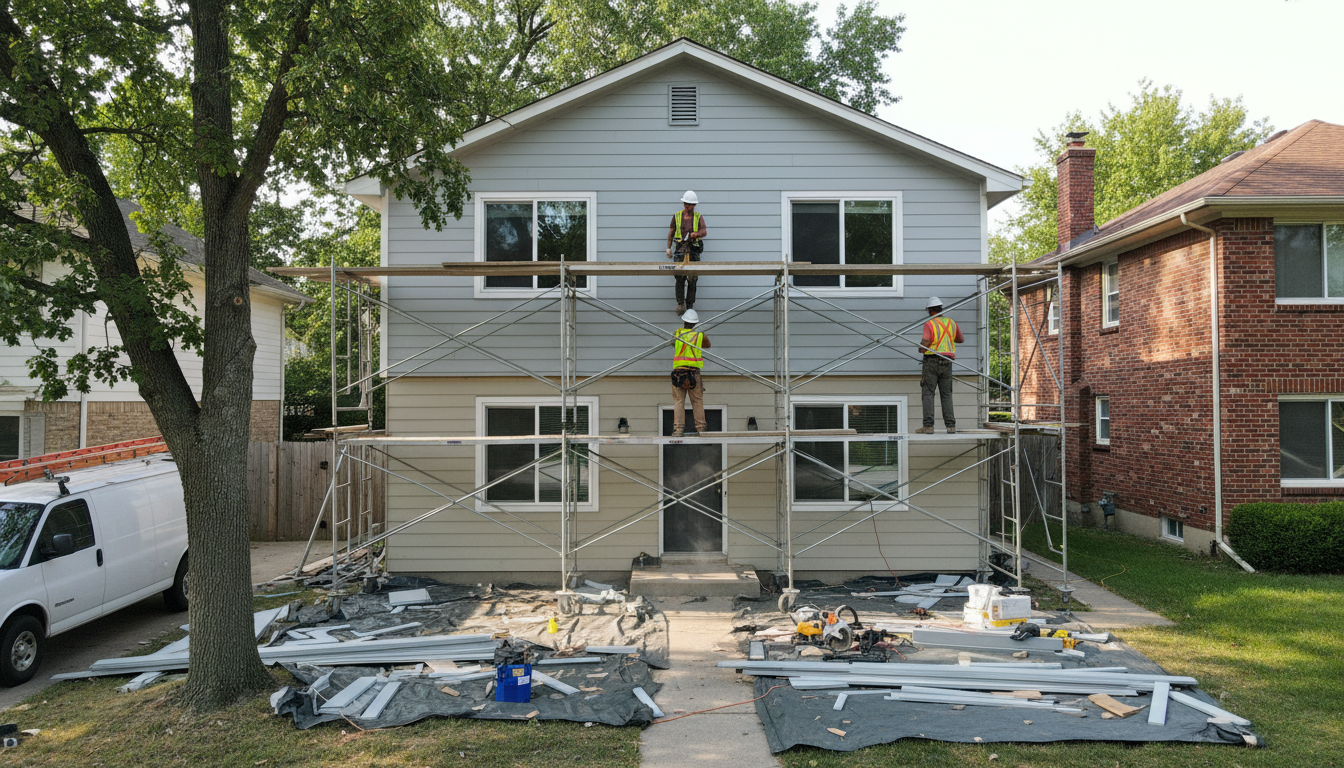
Types of Siding
Just like cladding, siding comes in various materials, each with distinct characteristics:
- Wood Siding: Traditional and aesthetically pleasing, but requires regular upkeep.
- Vinyl Siding: Popular for its affordability and minimal maintenance.
- Fiber Cement Siding: Offers durability and resistance to fire and pests.
- Aluminum Siding: Lightweight and rust-resistant.
Key Differences Between Cladding and Siding
While both cladding and siding serve similar functions, they differ in several aspects:
- Installation: Cladding is typically non-structural, while siding often forms part of the building's exterior framework.
- Material: Cladding materials are often more diverse and can include metals and composites, while siding tends to focus on traditional materials like wood and vinyl.
- Purpose: Cladding is mainly for aesthetic and protective purposes, whereas siding can also contribute to the building's structural support.
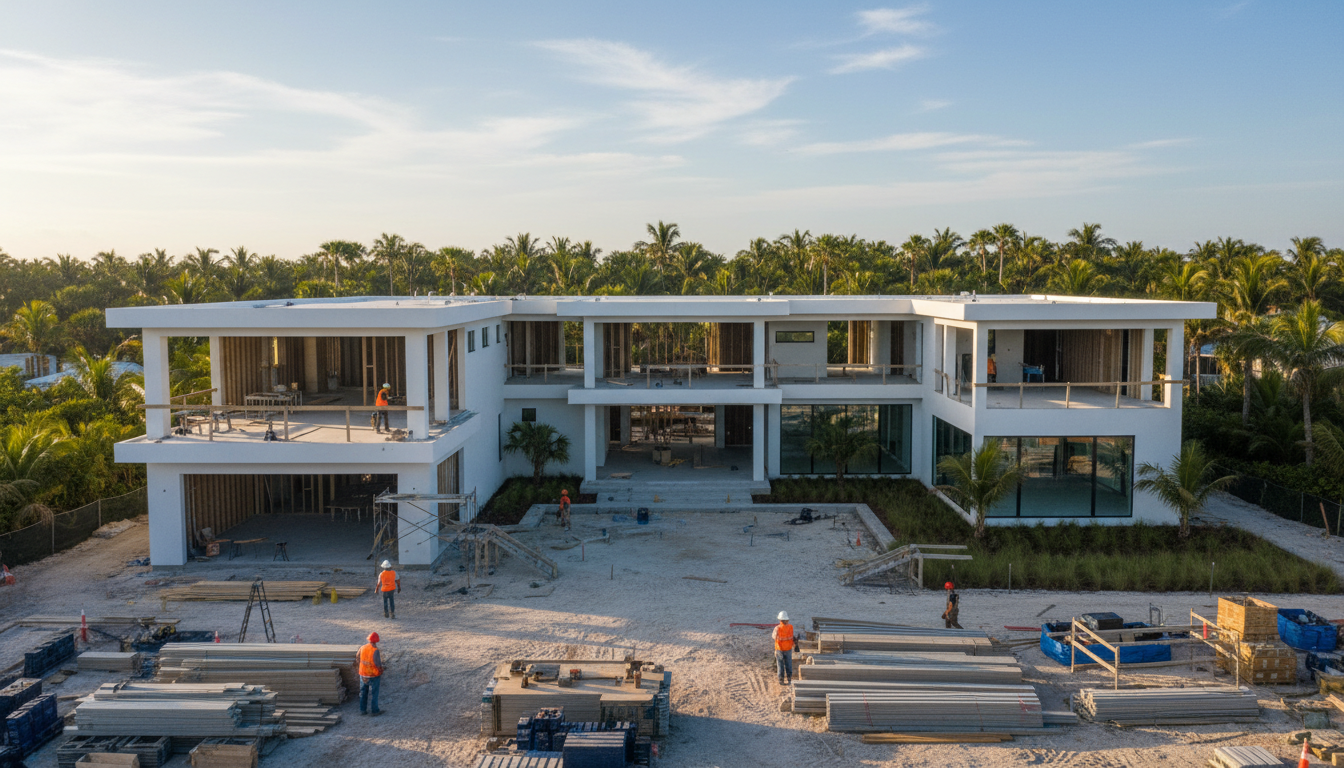
Choosing the Right Option for Your Project
Deciding between cladding and siding depends on several factors such as budget, desired aesthetic, maintenance requirements, and the specific needs of your project. Consider consulting with professionals to evaluate which option best suits your building's requirements and your personal preferences.
In summary, both cladding and siding offer valuable benefits, and understanding their differences will empower you to make the right choice for your project. Whether you prioritize durability, maintenance, or aesthetics, the right exterior finish can significantly impact the look and longevity of your building.