
Exploring the Impact of Nova Scotia's Weather on Roofing Materials
Understanding Nova Scotia's Climate
Nova Scotia, located on the eastern seaboard of Canada, is known for its diverse climate. The province experiences a mix of maritime and continental weather patterns, resulting in cold, snowy winters and warm, humid summers. These conditions can significantly impact the durability and performance of roofing materials, making it crucial for homeowners to choose wisely.

In winter, temperatures often drop below freezing, accompanied by heavy snowfall and ice. This can lead to ice dams on roofs, which may cause water damage if not addressed properly. In contrast, summer brings high humidity and occasional storms, further testing the resilience of roofing materials.
Common Roofing Materials and Their Performance
Asphalt Shingles
Asphalt shingles are one of the most popular roofing materials due to their affordability and ease of installation. However, in Nova Scotia's climate, they may not always be the best choice. The freeze-thaw cycles in winter can cause these shingles to crack or become brittle over time.
Metal Roofing
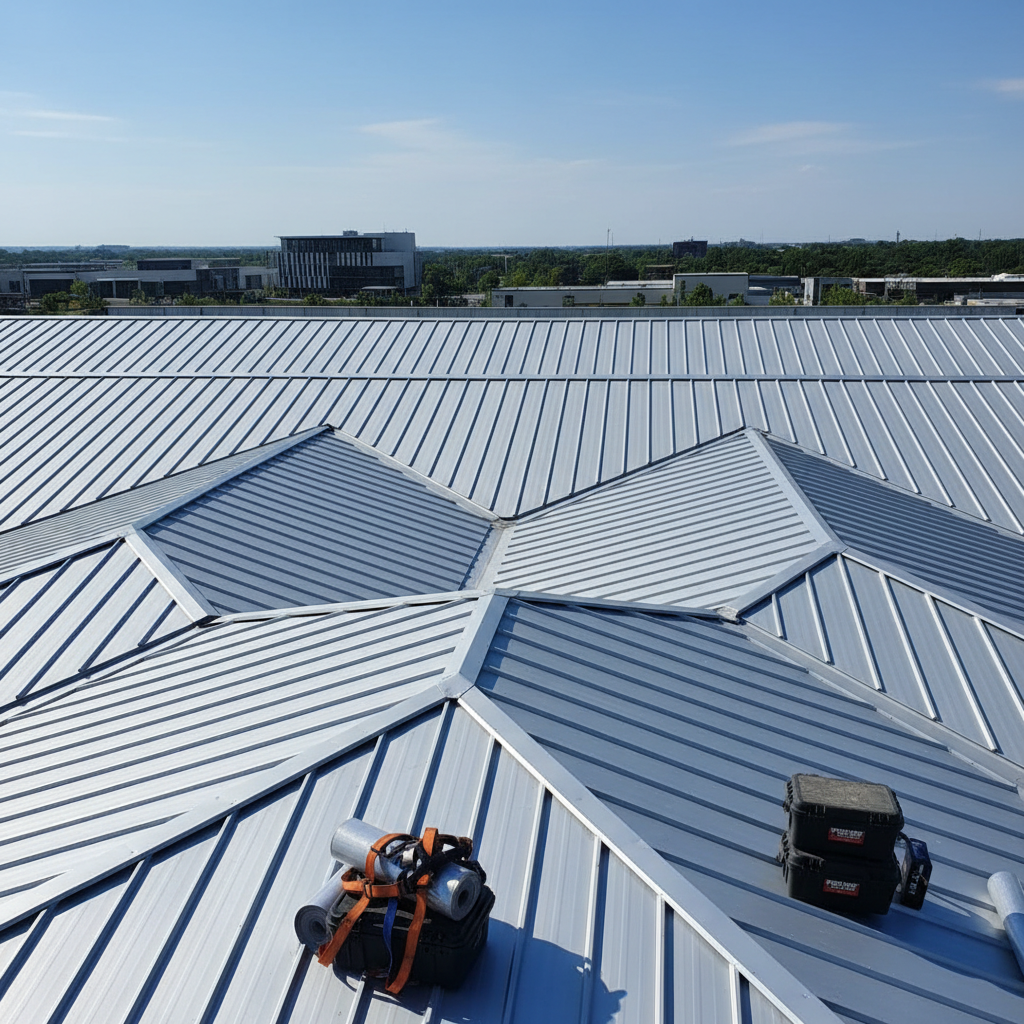
Metal roofing is gaining popularity in Nova Scotia due to its durability and resistance to harsh weather conditions. Metal roofs can withstand heavy snow loads and are less susceptible to damage from ice. Additionally, they reflect sunlight, keeping homes cooler in the summer.
Wood Shingles and Shakes
Wood shingles and shakes provide a natural aesthetic that many homeowners find appealing. However, their performance in Nova Scotia's humid climate can be problematic. Wood is susceptible to rot and mold, especially if not properly treated and maintained.
Innovative Solutions for Weather Resistance
Recent advancements in roofing technology have introduced materials designed to withstand Nova Scotia's challenging climate. Composite shingles, for instance, offer the look of traditional materials while providing enhanced durability and resistance to weather extremes.

Homeowners can also consider installing weather-resistant underlayment, which provides an additional barrier against moisture and wind. This layer can significantly reduce the risk of leaks and prolong the life of the roof.
Maintenance Tips for Nova Scotia Roofs
Regular maintenance is key to ensuring the longevity of any roofing material. Homeowners should schedule annual inspections to check for signs of damage or wear. Clearing gutters and downspouts can prevent ice dams and water buildup during the winter months.
In addition, trimming overhanging branches can reduce debris accumulation and minimize the risk of damage during storms. By taking proactive steps, homeowners can protect their investment and ensure their roofs perform well in Nova Scotia's variable climate.