
Comprehensive Guide to Cladding Options for Dartmouth Homes
Introduction to Cladding
Choosing the right cladding for your Dartmouth home is crucial for both aesthetics and functionality. Cladding not only enhances the appearance of your home but also provides protection against the elements. With a variety of options available, making an informed decision can be challenging. This guide will help you navigate through the most popular cladding choices.
Wood Cladding
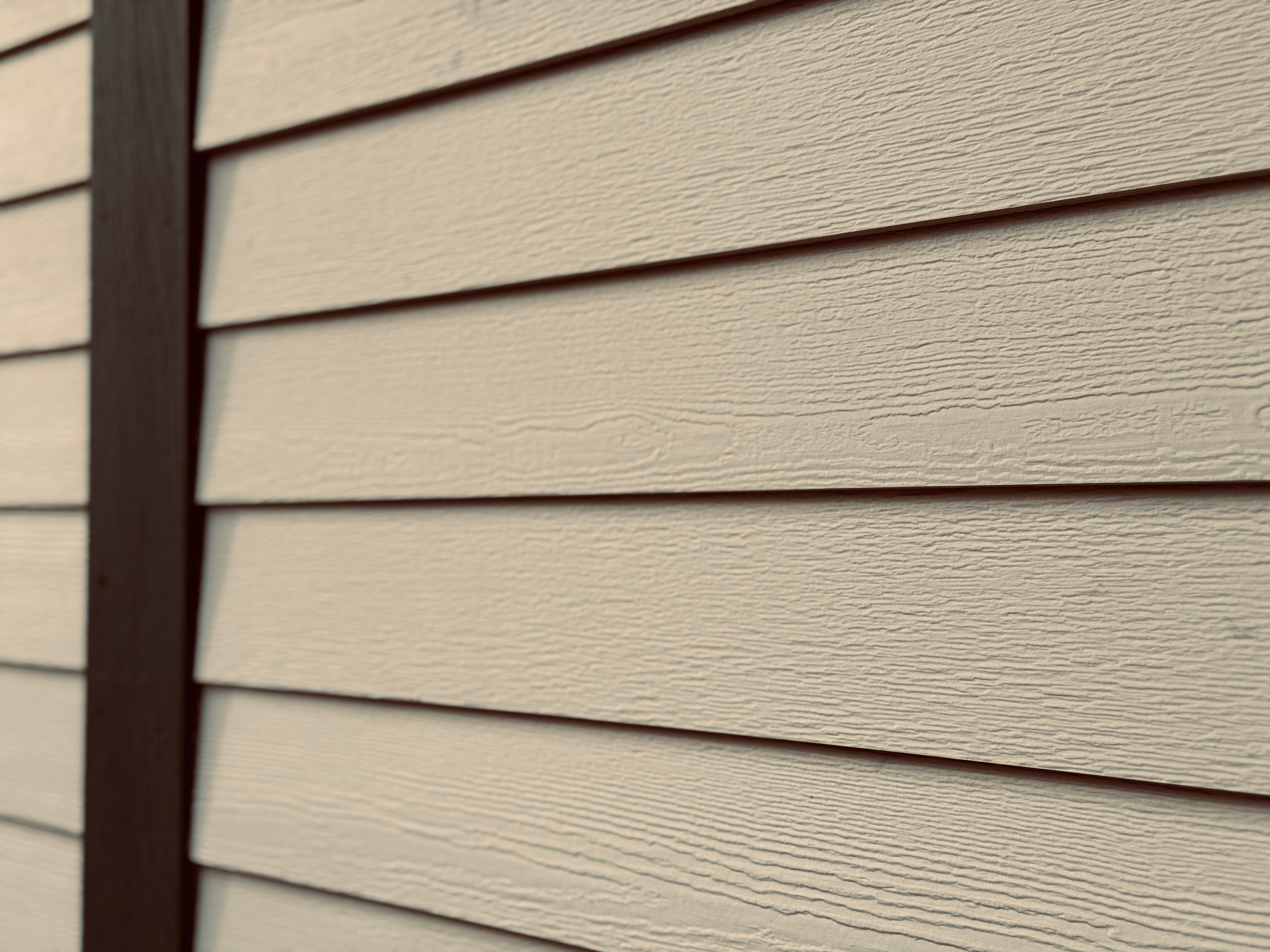
Wood cladding is a timeless choice that offers a natural and warm appearance. Popular types include cedar and pine, known for their durability and resistance to decay. Regular maintenance is essential to keep wood cladding in pristine condition, including treatments to prevent weathering and insect infestation.
Advantages of Wood Cladding
- Eco-friendly and sustainable
- Excellent insulation properties
- Easy to repair and replace
Vinyl Cladding
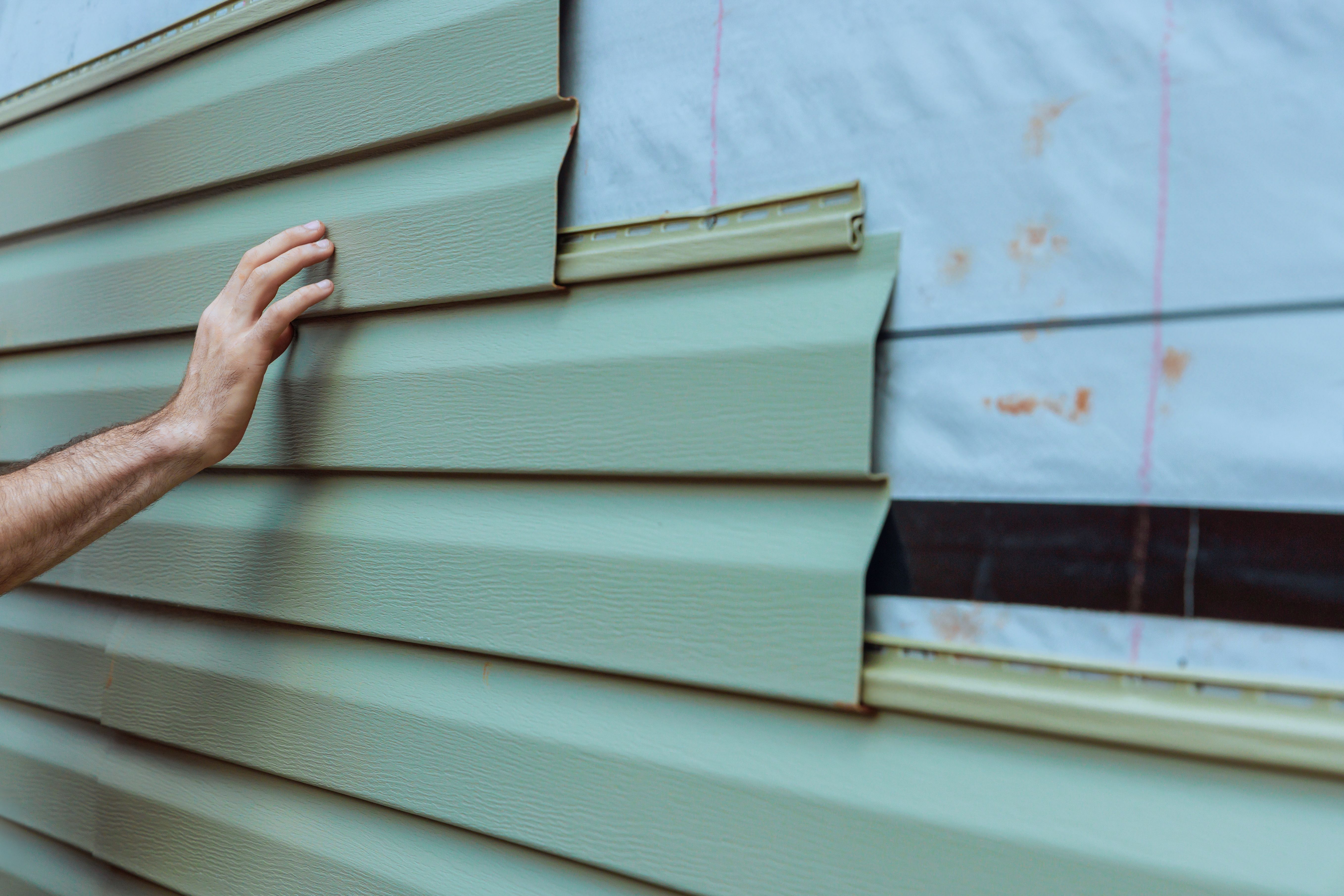
Vinyl cladding is a cost-effective option that offers a wide range of colors and styles. It is lightweight, durable, and requires minimal maintenance, making it a popular choice among homeowners. One of the main attractions of vinyl is its resistance to moisture, which is particularly beneficial in coastal areas like Dartmouth.
Drawbacks to Consider
- Limited color change options post-installation
- Can become brittle in extreme temperatures
Brick Cladding
Brick cladding provides a classic, elegant look and is renowned for its strength and longevity. It offers excellent thermal mass, helping to keep homes warm in the winter and cool in the summer. Brick is also fire-resistant, adding an extra layer of safety to your home.
Brick Cladding Benefits
- Low maintenance
- Highly durable and long-lasting
- Excellent sound insulation
Metal Cladding
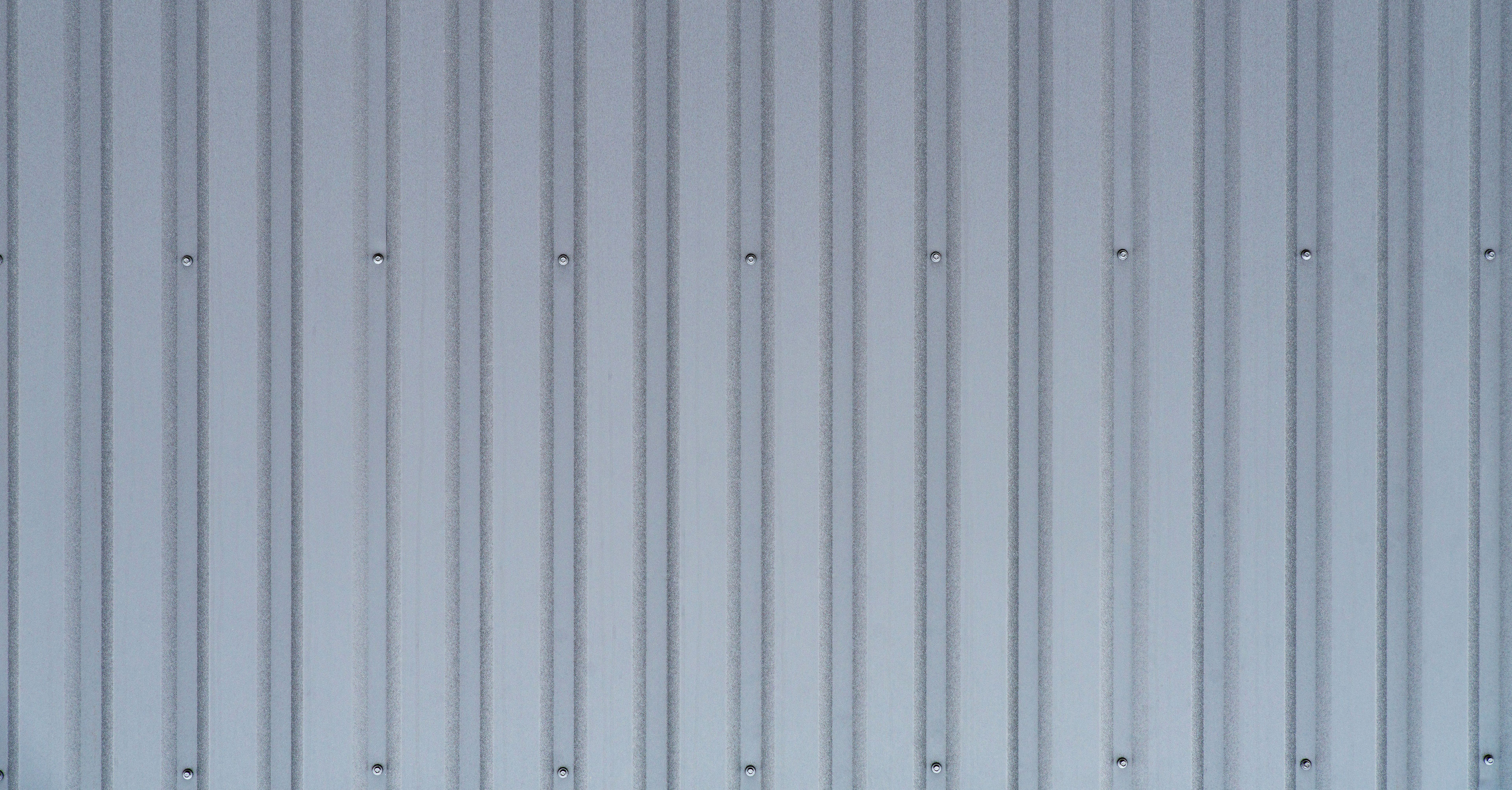
Metal cladding, including options like aluminum and steel, provides a sleek, modern appearance. It is incredibly durable and can withstand harsh weather conditions, making it ideal for Dartmouth's variable climate. Metal cladding is also recyclable, aligning with environmentally conscious building practices.
Considerations for Metal Cladding
- Higher initial cost compared to other materials
- Potential for dents and scratches
Stone Cladding
Stone cladding offers a luxurious and natural aesthetic. While it can be more expensive, the benefits of stone cladding include its unparalleled durability and minimal maintenance. Stone is also a great insulator, helping to reduce energy costs over time.
Types of Stone Cladding
- Natural Stone - Offers a unique and authentic look
- Manufactured Stone - More affordable and available in various styles
Conclusion
Selecting the right cladding for your Dartmouth home depends on various factors, including budget, aesthetic preferences, and maintenance requirements. By understanding the benefits and drawbacks of each option, you can make an informed decision that enhances both the beauty and functionality of your home.