Comparing Cladding Materials: Which Is Right for Your Property?
Choosing the right cladding material for your property is crucial for both aesthetics and functionality. With a variety of materials available, making the right choice can be overwhelming. This guide will help you compare different cladding materials to find the best fit for your property.
Understanding Cladding Types
Cladding is the application of one material over another to provide a skin or layer. It serves as a protective and insulating layer while also enhancing the appearance of a building. The main types of cladding materials include brick, vinyl, wood, metal, and fiber cement.
Brick Cladding
Brick cladding is renowned for its durability and classic appearance. It offers excellent protection against weather conditions and requires minimal maintenance. However, it can be more expensive compared to other materials and may require professional installation.
- Advantages: Durable, low maintenance, weather-resistant
- Disadvantages: Higher cost, professional installation needed
Vinyl Cladding
Vinyl cladding is a popular choice due to its affordability and versatility. It comes in a variety of colors and styles, allowing for customized designs. While it is easy to install, it may not be as durable as other materials and can be prone to damage from strong winds.
- Advantages: Affordable, versatile, easy to install
- Disadvantages: Less durable, potential for damage
Wood Cladding
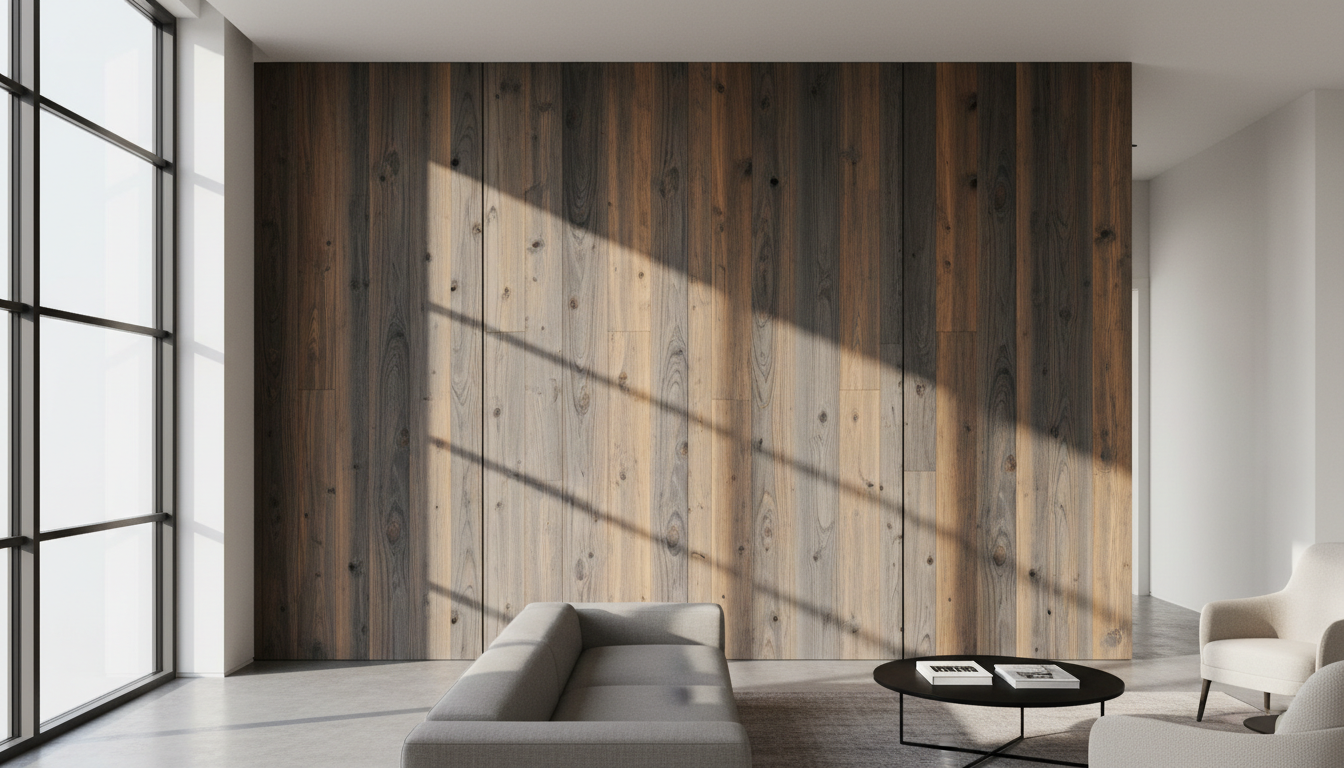
Wood cladding provides a natural and warm aesthetic to properties. It's an eco-friendly option that can be painted or stained to match personal preferences. However, wood requires regular maintenance to prevent rot and insect damage.
- Advantages: Eco-friendly, customizable, aesthetic appeal
- Disadvantages: High maintenance, susceptible to rot
Metal Cladding
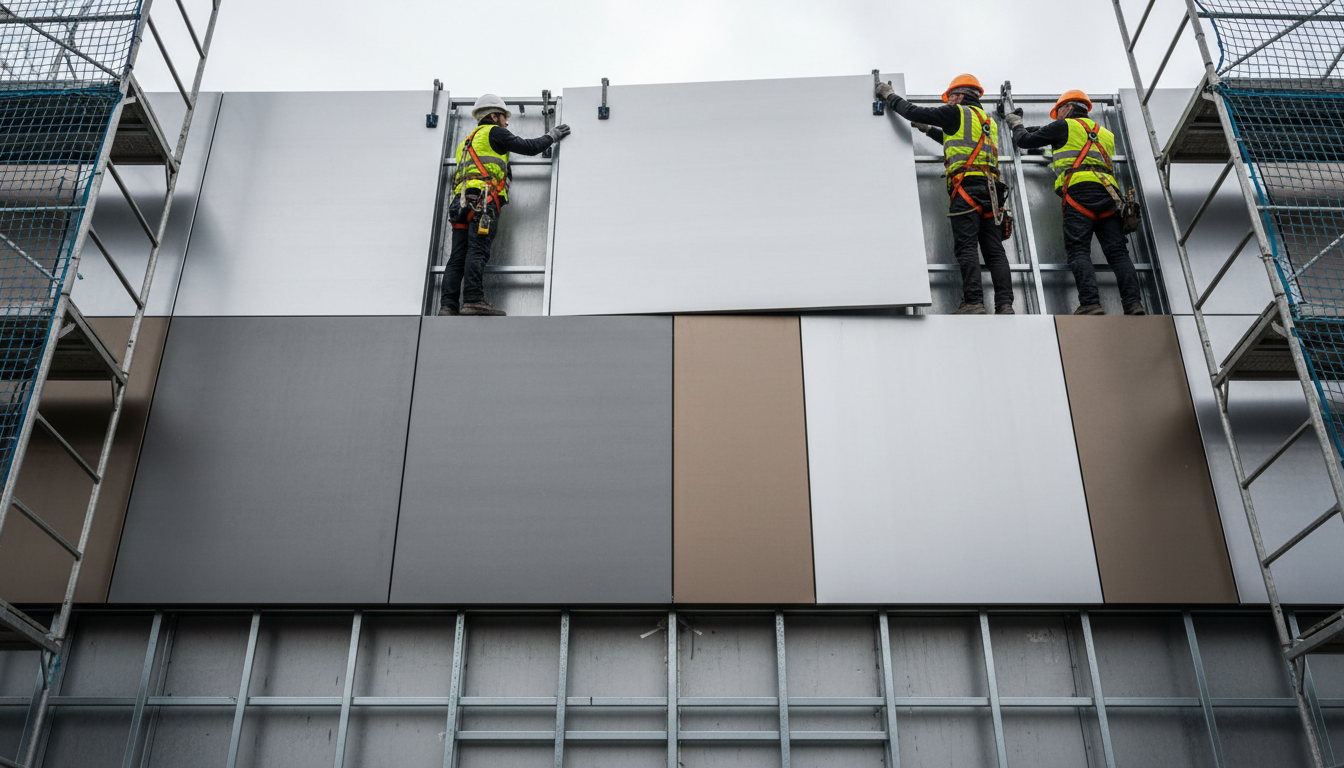
Metal cladding, including aluminum and steel, offers a modern and sleek appearance. It is highly durable and resistant to fire. While metal cladding is long-lasting, it can be prone to dents and may require insulation to prevent heat loss.
- Advantages: Durable, fire-resistant, modern look
- Disadvantages: Prone to dents, may need insulation
Fiber Cement Cladding
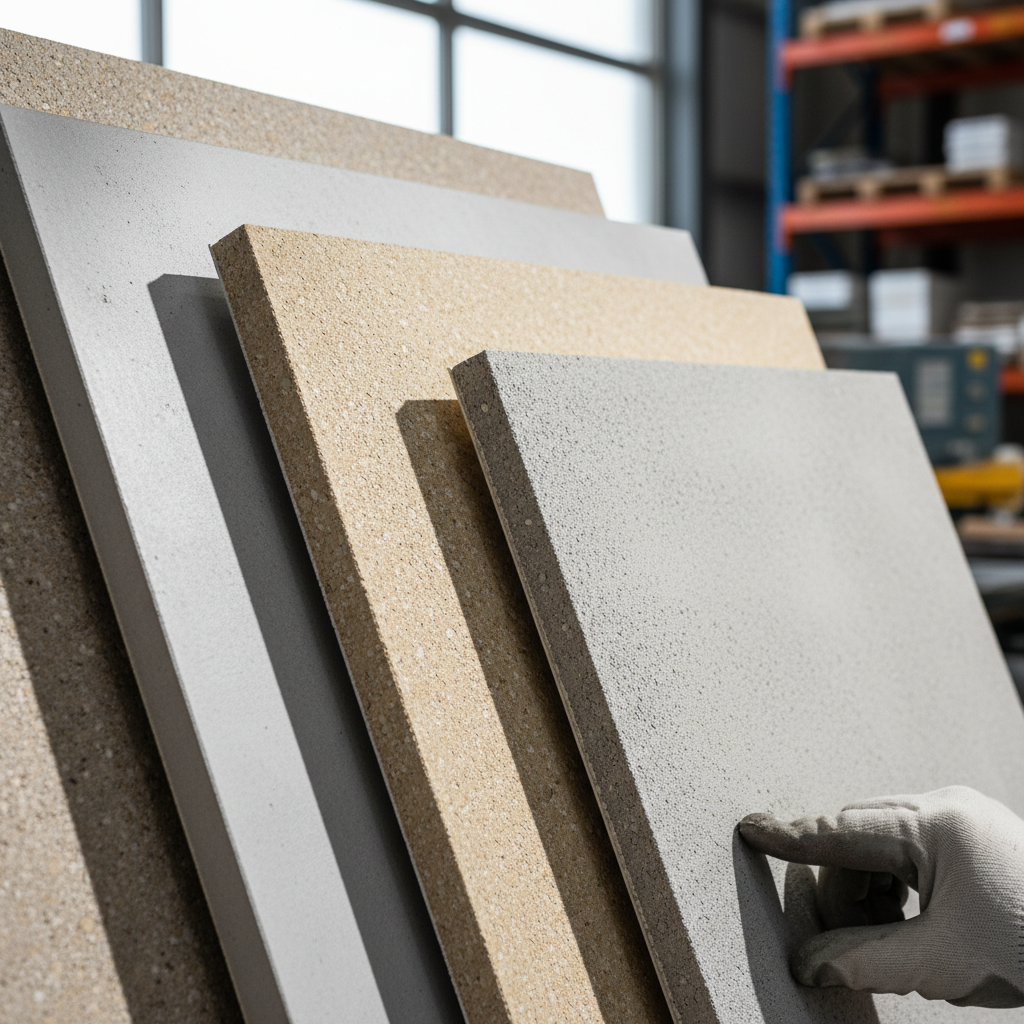
Fiber cement cladding is a composite material made from cement, sand, and cellulose fibers. It mimics the appearance of wood or stone and is resistant to rot and pests. Although it is a cost-effective option, it can be heavier and may require professional installation.
- Advantages: Rot-resistant, pest-resistant, versatile appearance
- Disadvantages: Heavy, professional installation needed
Making the Right Choice
When choosing the right cladding material for your property, consider factors such as budget, climate, and desired aesthetic. Each material has its own set of benefits and drawbacks, so it’s essential to weigh these against your specific needs and preferences. Consulting with a professional can also provide valuable insights tailored to your property.
Ultimately, the best cladding material is one that complements your property’s architecture, meets your durability requirements, and fits within your budget. By carefully evaluating your options, you can make a well-informed decision that enhances both the look and value of your property.