
Common Misconceptions About Home Renovations: Debunked
Understanding the True Cost of Renovations
One of the most common misconceptions about home renovations is that they always cost more than expected. While it's true that expenses can spiral if not managed properly, thorough planning and a clear budget can keep costs under control. It's essential to research and get multiple quotes from contractors to avoid surprises.
The notion that you must splurge to achieve quality results isn't entirely accurate. Many homeowners find success by prioritizing their renovation goals and focusing on key areas that provide the most value. Smart budgeting and strategic planning are your allies here.

Timeframes: Renovations Aren’t Always Endless
Another myth is that home renovations will invariably take longer than planned. While delays can occur due to unforeseen issues, a detailed timeline established with your contractor can help keep the project on track. Communication is key; regular updates and adjustments ensure you’re always aware of the project's status.
It's also beneficial to be realistic about timelines from the start. Understand that factors like weather, material availability, and permit approvals can affect your schedule. Setting achievable milestones can help manage expectations effectively.
DIY Isn’t Always Cheaper
The idea that DIY renovations are cheaper is widespread, but not always true. While tackling certain projects yourself can save money, lacking the necessary skills might lead to costly mistakes. Complex tasks often require professional expertise to avoid long-term issues.

Consider a balanced approach: handle simpler tasks like painting or minor repairs yourself, but hire professionals for plumbing, electrical work, or structural changes. This way, you can save money without compromising on quality and safety.
Permits: Not Just a Bureaucratic Hurdle
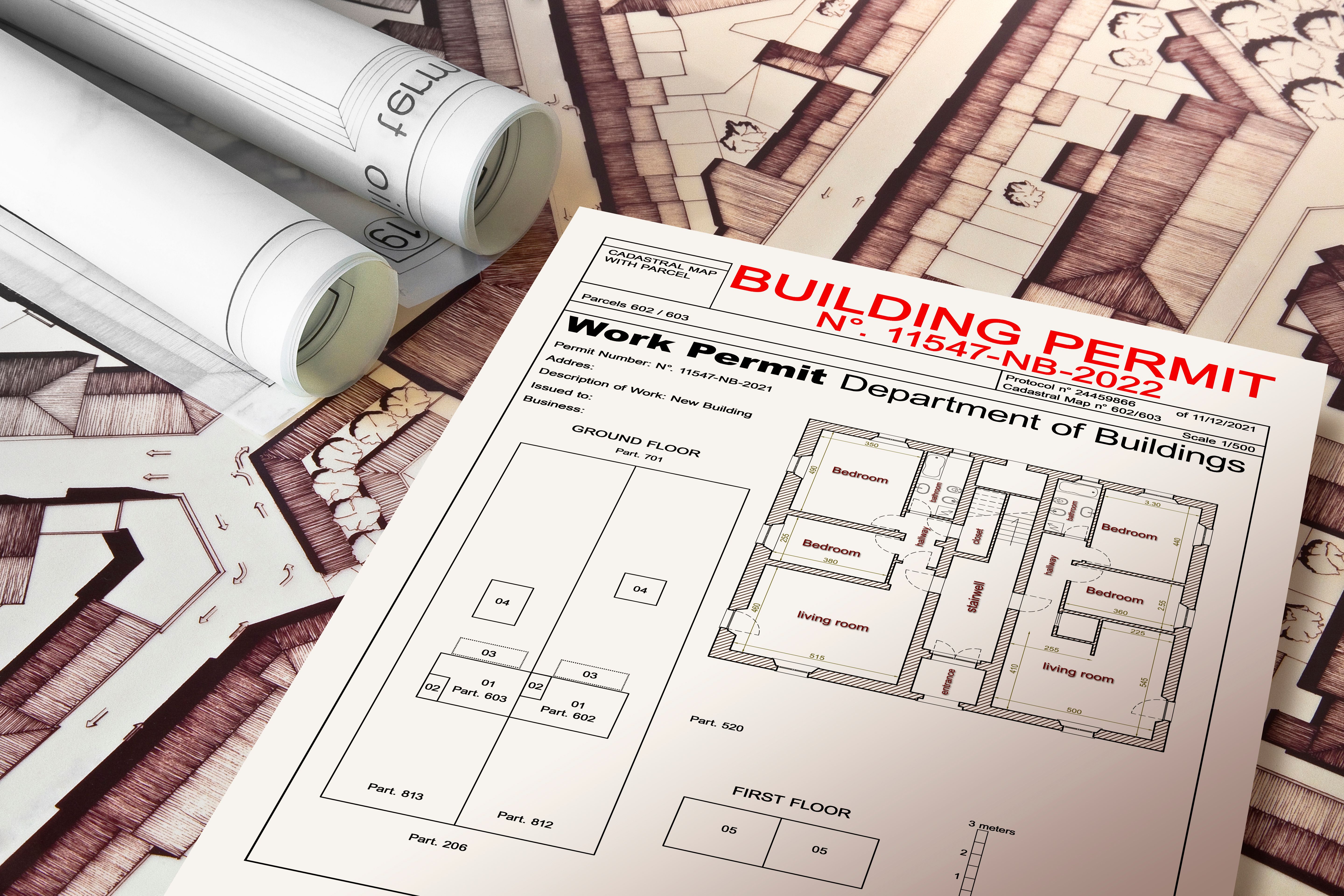
Many homeowners believe permits are unnecessary red tape, but they play a crucial role in ensuring safety and compliance with local codes. Skipping permits can lead to fines, legal issues, or even having to undo completed work.
Before starting your renovation, check with your local authorities to determine which permits are needed. This step can save time and money in the long run by preventing legal complications and ensuring your renovation is up to code.
Renovations and Home Value
There's a misconception that all home renovations will significantly boost property value. While some improvements like kitchen remodels and bathroom upgrades can enhance value, others might not provide the expected return on investment.
Focus on renovations that align with your home's style and the neighborhood. Sometimes, the most valuable renovations are those that improve functionality and comfort rather than just aesthetics. Consulting with a real estate professional can provide insights into which projects offer the best value increase.