
Common Misconceptions About Cladding: What You Need to Know
Understanding Cladding
Cladding is an essential aspect of modern architecture that serves both functional and aesthetic purposes. Despite its widespread use, there are several misconceptions about cladding that can lead to confusion. This article aims to clarify these misunderstandings and provide a clearer understanding of what cladding truly entails.
Misconception 1: Cladding is Just for Aesthetics
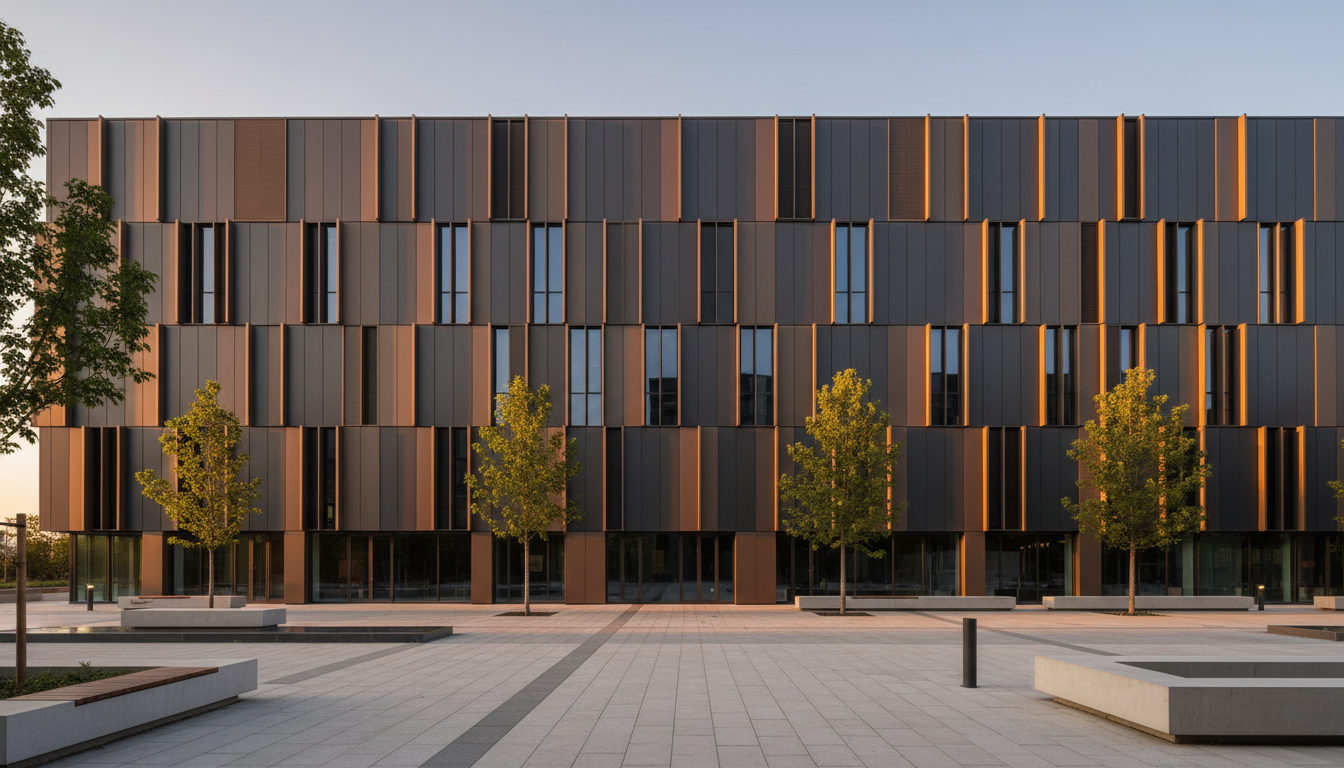
One of the most common misconceptions is that cladding is solely used for aesthetic enhancement. While it undeniably adds to the visual appeal of a building, cladding also offers significant functional benefits. It acts as a protective layer, shielding the structure from adverse weather conditions, improving insulation, and even contributing to soundproofing.
Misconception 2: Cladding is Not Durable
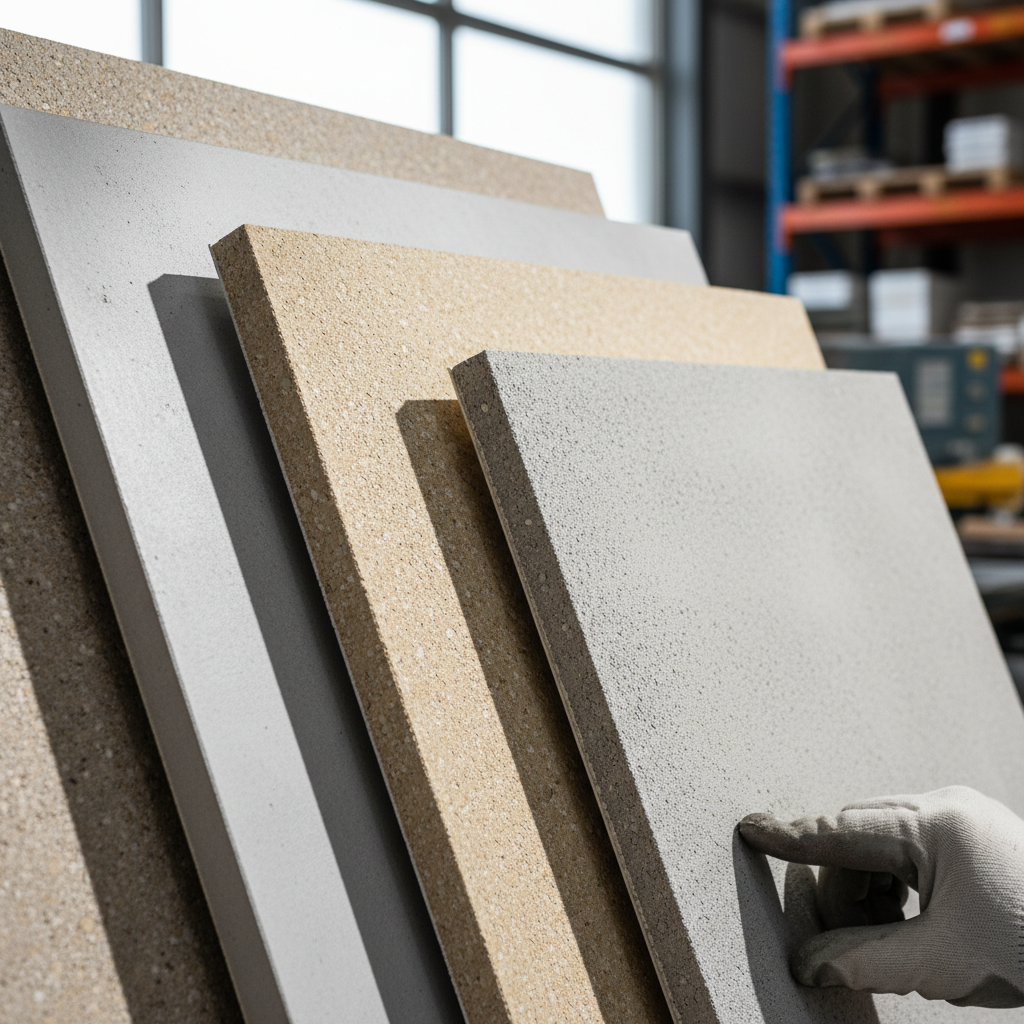
Some believe that cladding materials are not durable and require frequent replacement. This is far from the truth. Modern cladding materials are designed to be highly durable, often lasting decades with minimal maintenance. Choosing the right material, such as metal, stone, or high-quality composites, can ensure longevity and resilience.
Misconception 3: Cladding is Expensive
Another myth surrounding cladding is its perceived high cost. While initial installation might appear costly, cladding can be a cost-effective solution in the long run. It reduces energy consumption by improving insulation and lowering maintenance costs due to its protective qualities.
Misconception 4: Cladding is Hazardous
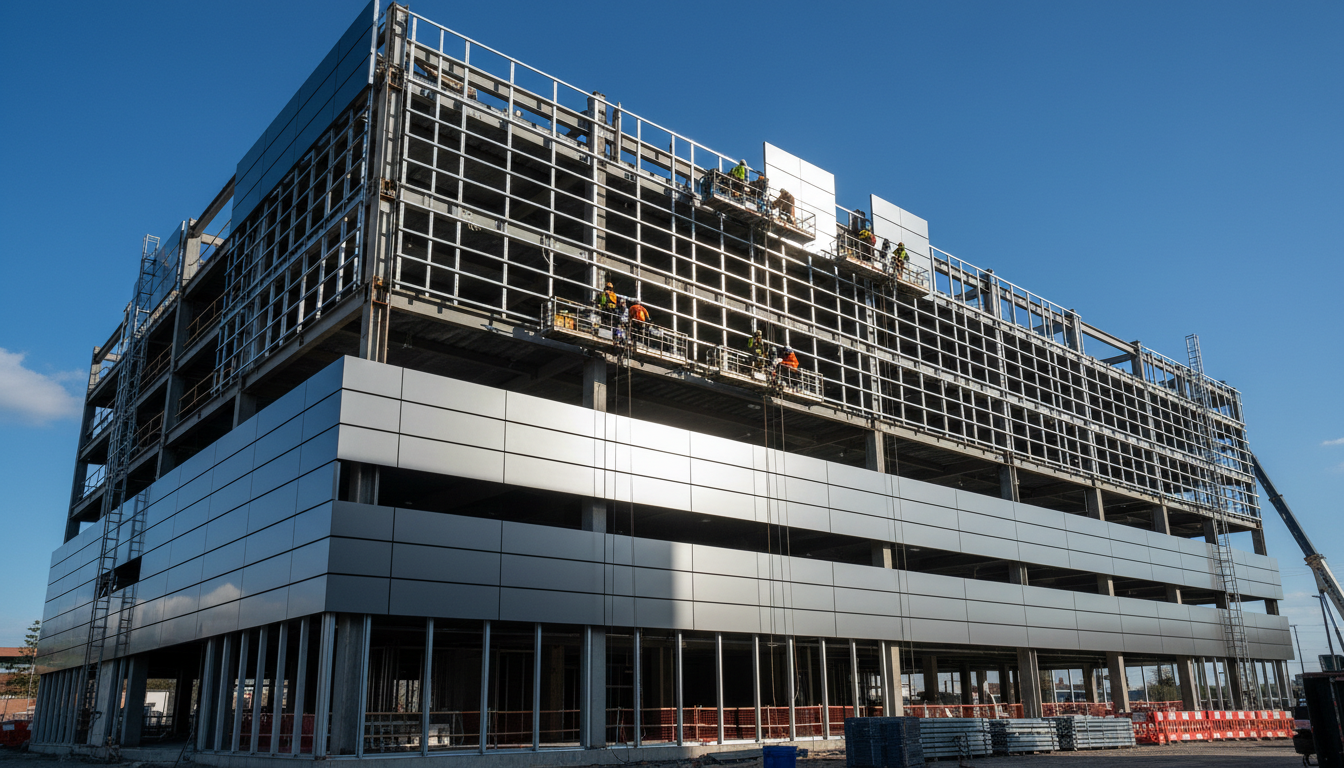
Safety concerns have arisen, particularly following high-profile incidents. However, it's essential to note that not all cladding materials are hazardous. Compliance with safety standards and regulations ensures that cladding is safe and effective. Investing in quality materials and professional installation can mitigate risks.
Choosing the Right Cladding
Selecting the appropriate cladding involves considering various factors such as environmental conditions, building use, and budget. Consulting with professionals can aid in making informed decisions that align with both practical needs and aesthetic preferences.
In conclusion, understanding the realities of cladding can help dispel myths and lead to better choices in construction projects. By recognizing the value and versatility of cladding, one can appreciate its role in modern architecture.