
Cladding vs. Siding: Which is Best for Your Dartmouth Property?
Understanding Cladding and Siding
When it comes to enhancing the exterior of your Dartmouth property, deciding between cladding and siding can be challenging. Both options offer unique benefits, but which one is right for you? Understanding their differences can help you make an informed decision.
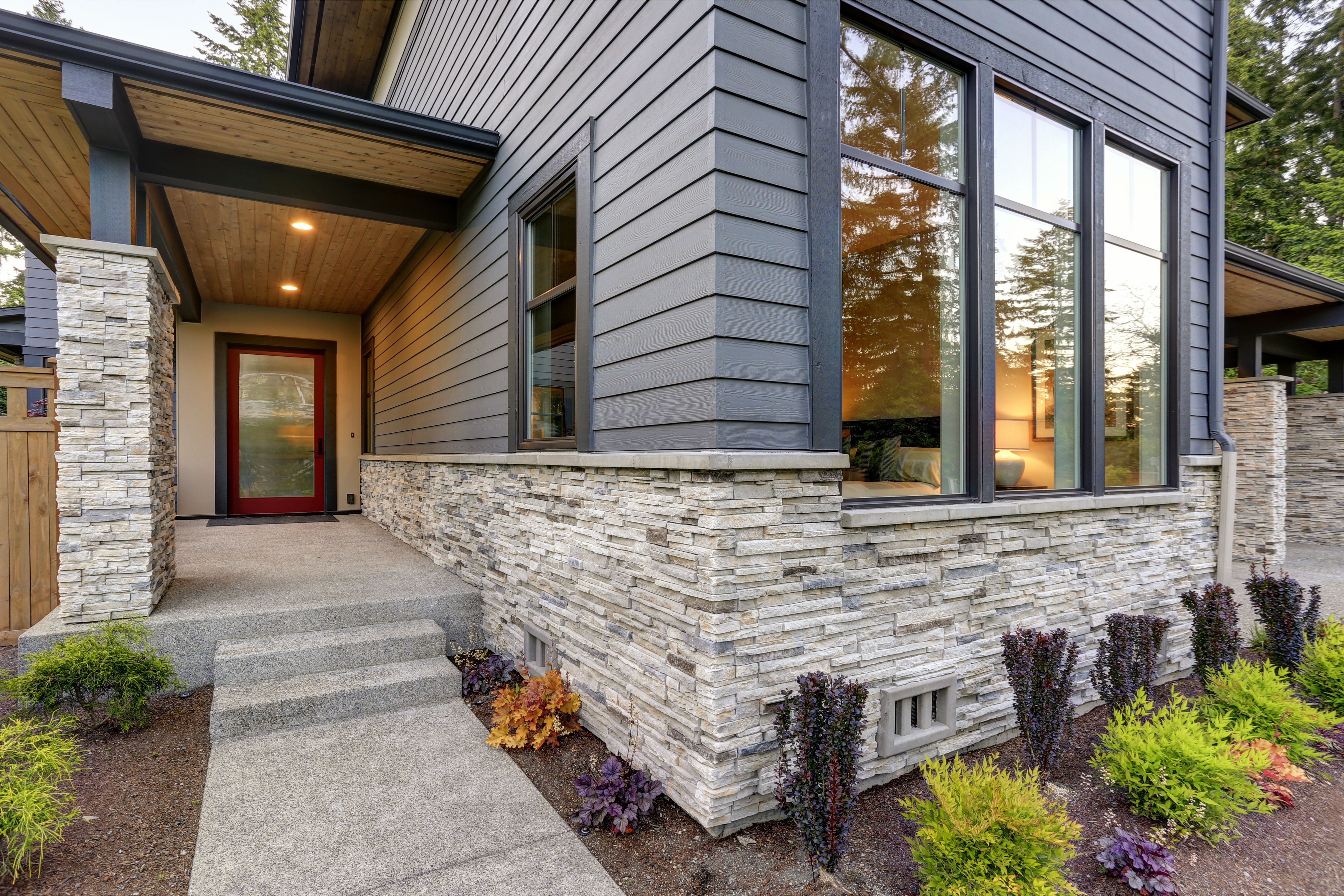
Cladding refers to a layer of material applied to the outside of a building to provide protection and aesthetic appeal. It comes in various materials such as wood, metal, and composite. On the other hand, siding is a more traditional approach, often made from wood, vinyl, or fiber cement, providing both protection and decoration.
Benefits of Cladding
Cladding offers numerous advantages for property owners. One of the main benefits is its durability. Many cladding materials, such as metal and composite, are designed to withstand harsh weather conditions, making them ideal for Dartmouth's diverse climate.
Additionally, cladding materials are often low maintenance. For example, metal cladding requires minimal upkeep, resisting rust and corrosion. This can be a significant advantage for property owners looking to reduce long-term maintenance costs.
Energy Efficiency
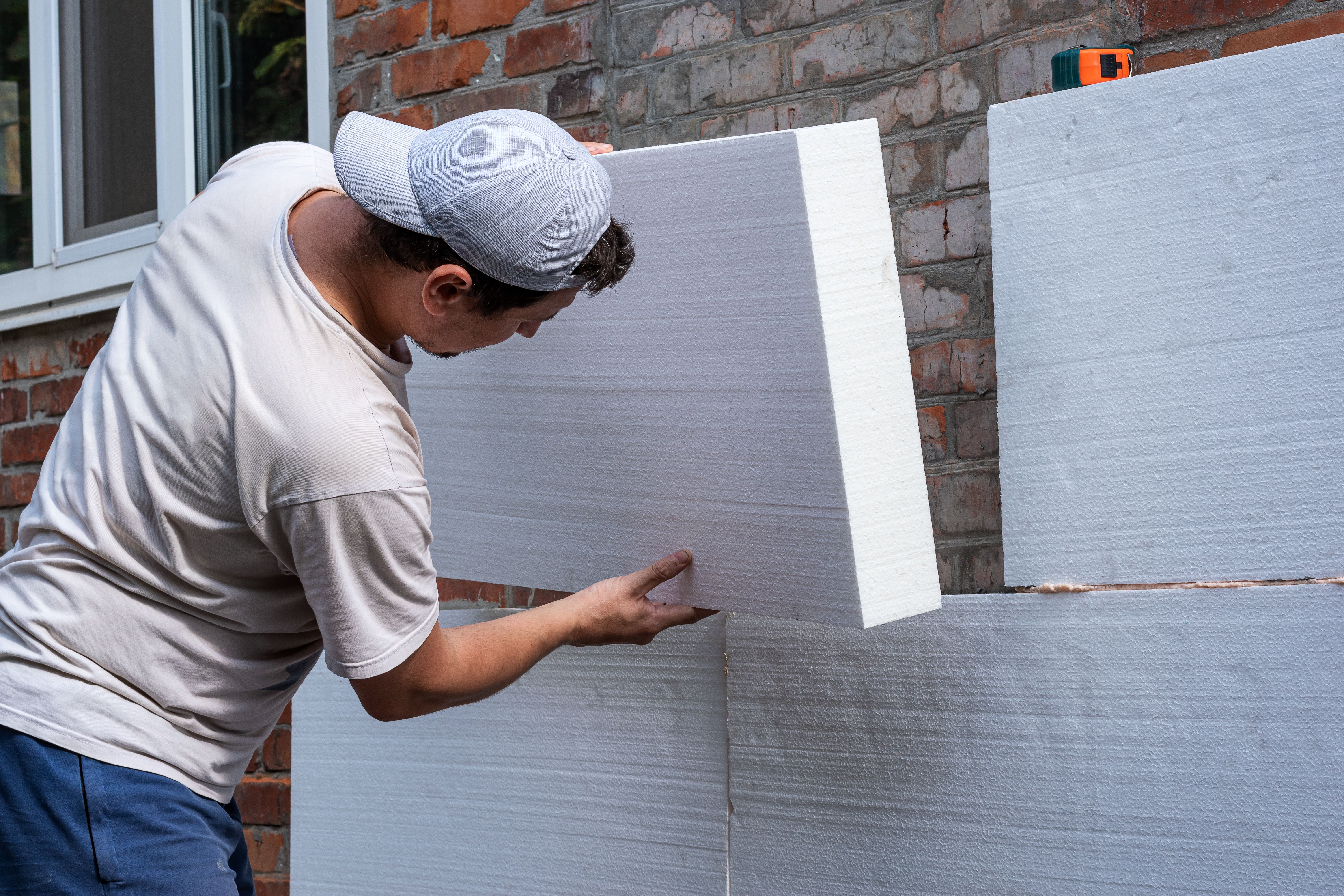
Cladding can also contribute to energy efficiency. By providing an extra layer of insulation, it helps maintain indoor temperatures, reducing the need for excessive heating or cooling. This can lead to significant savings on energy bills over time.
Advantages of Siding
Siding, while more traditional, offers its own set of benefits. It is often more affordable than cladding, making it an attractive option for budget-conscious homeowners. Materials like vinyl siding are especially cost-effective, providing a good balance between price and performance.
Another advantage of siding is its aesthetic versatility. Available in a wide range of colors and styles, siding allows homeowners to customize their property's appearance to match their personal tastes.
Ease of Installation
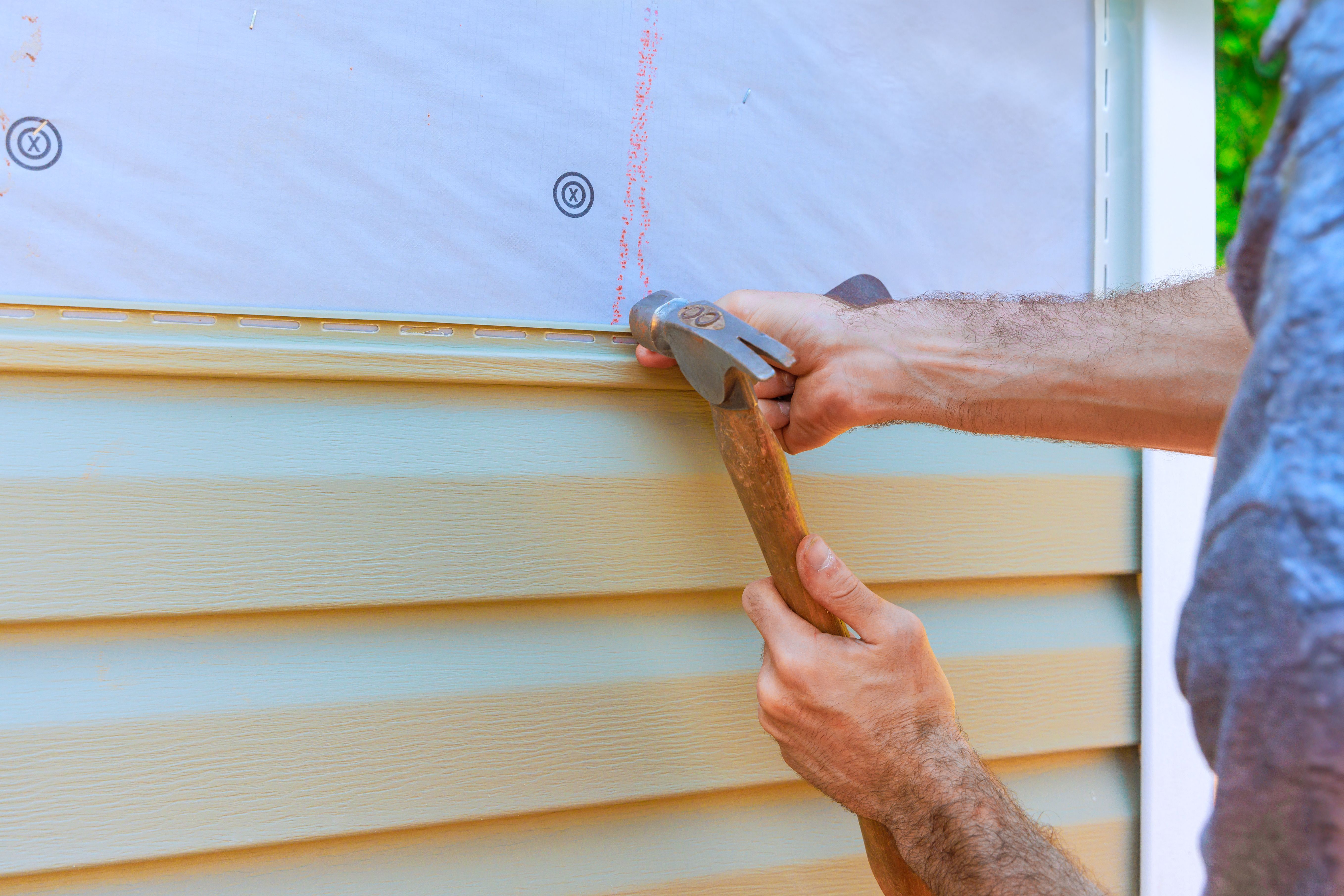
Installing siding can be a quicker process compared to cladding. This is particularly true for materials like vinyl, which are lightweight and easy to handle. A faster installation can lead to reduced labor costs and quicker project completion.
Considerations for Your Property
When deciding between cladding and siding, consider the specific needs of your Dartmouth property. Factors such as climate, budget, and desired aesthetics should all play a role in your decision-making process.
If your priority is durability and low maintenance, cladding might be the better choice. However, if you're looking for a cost-effective solution with a wide range of design options, siding could be more suitable.
Conclusion
Ultimately, the choice between cladding and siding depends on your property's unique requirements and your personal preferences. By weighing the benefits and considerations of each option, you can select the most suitable exterior solution for your Dartmouth property.