Case Study: Transforming a Historic Dartmouth Home
Introduction to the Dartmouth Transformation
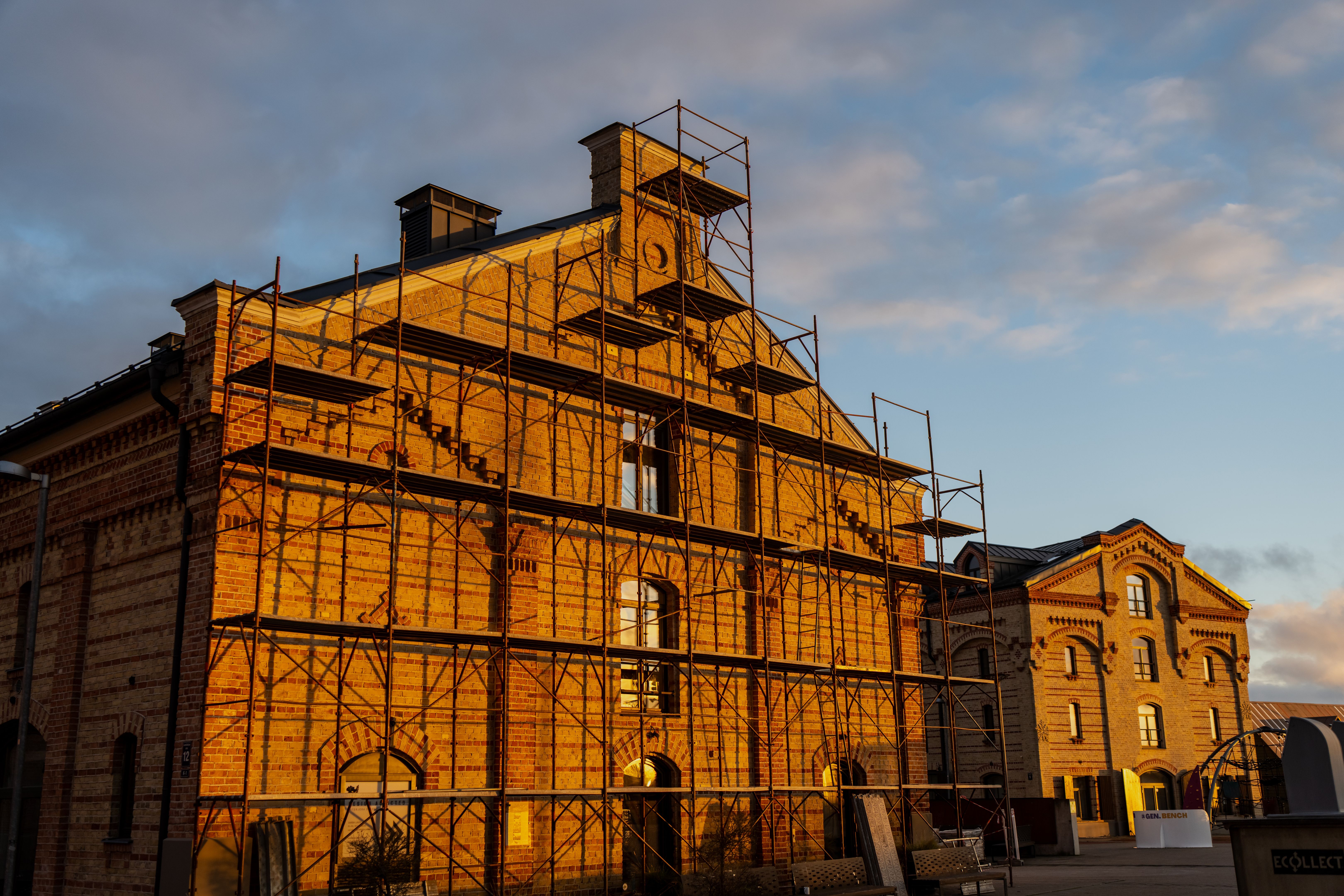
In the heart of Dartmouth, a historic home stood as a testament to a bygone era. Its intricate architecture and rich history were fading under the weight of time. This case study explores how a dedicated team of architects and designers breathed new life into this beautiful structure, preserving its heritage while adapting it for modern living.
Understanding the Historical Context
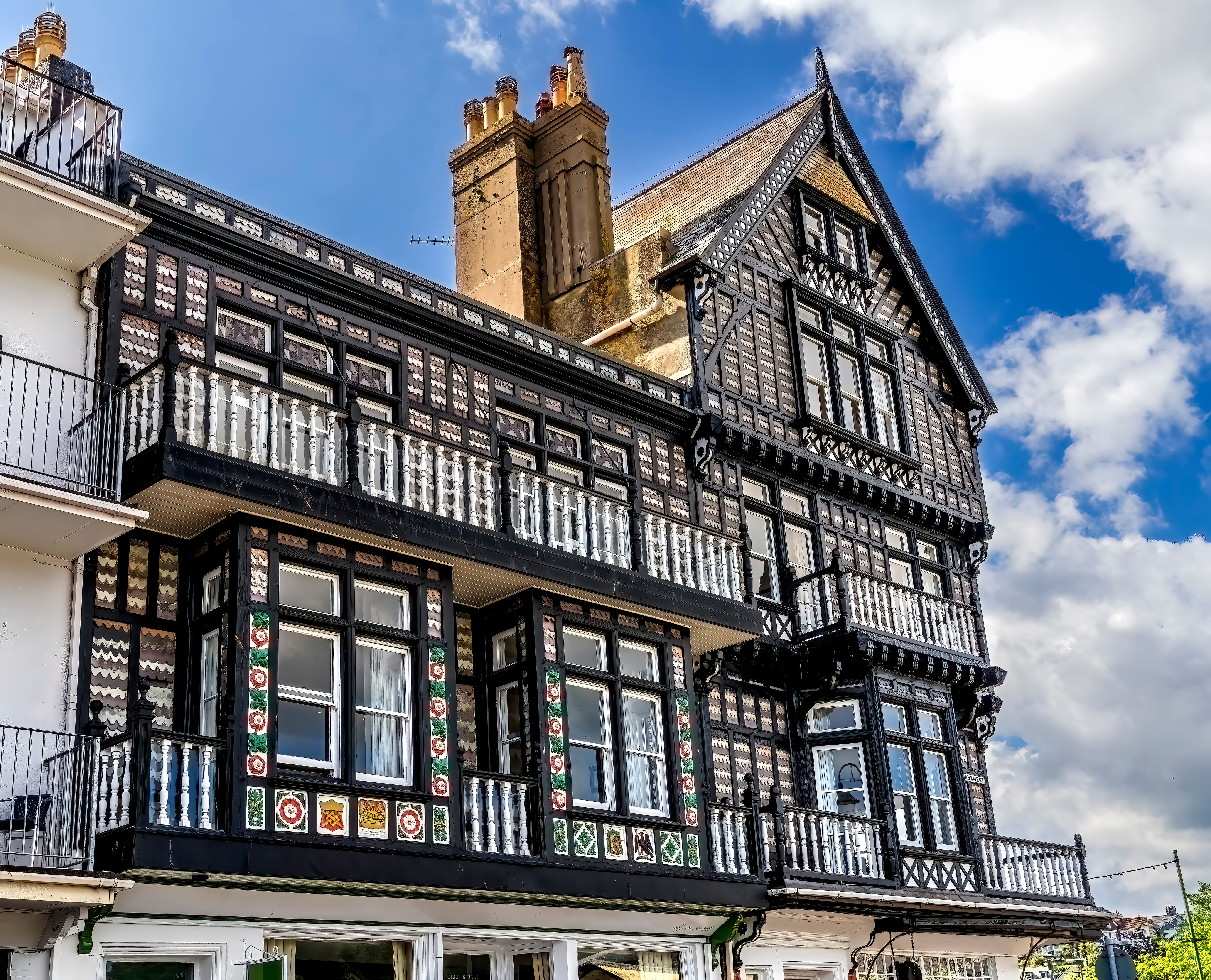
The home, originally built in the 19th century, was a classic example of Victorian architecture. Its ornate details and unique craftsmanship were rare finds in today's world. Restoring such a property demanded a deep understanding of its historical context and architectural significance.
The team conducted thorough research to retain the home’s original charm. They collaborated with local historians to ensure that every decision respected the property’s past, from the choice of materials to the restoration techniques employed.
The Restoration Process
Restoring a historic home involves a meticulous process. The team began by assessing the structure's condition, identifying areas that required immediate attention. This included stabilizing the foundation, repairing the roof, and restoring the intricate woodwork that adorned the facade.
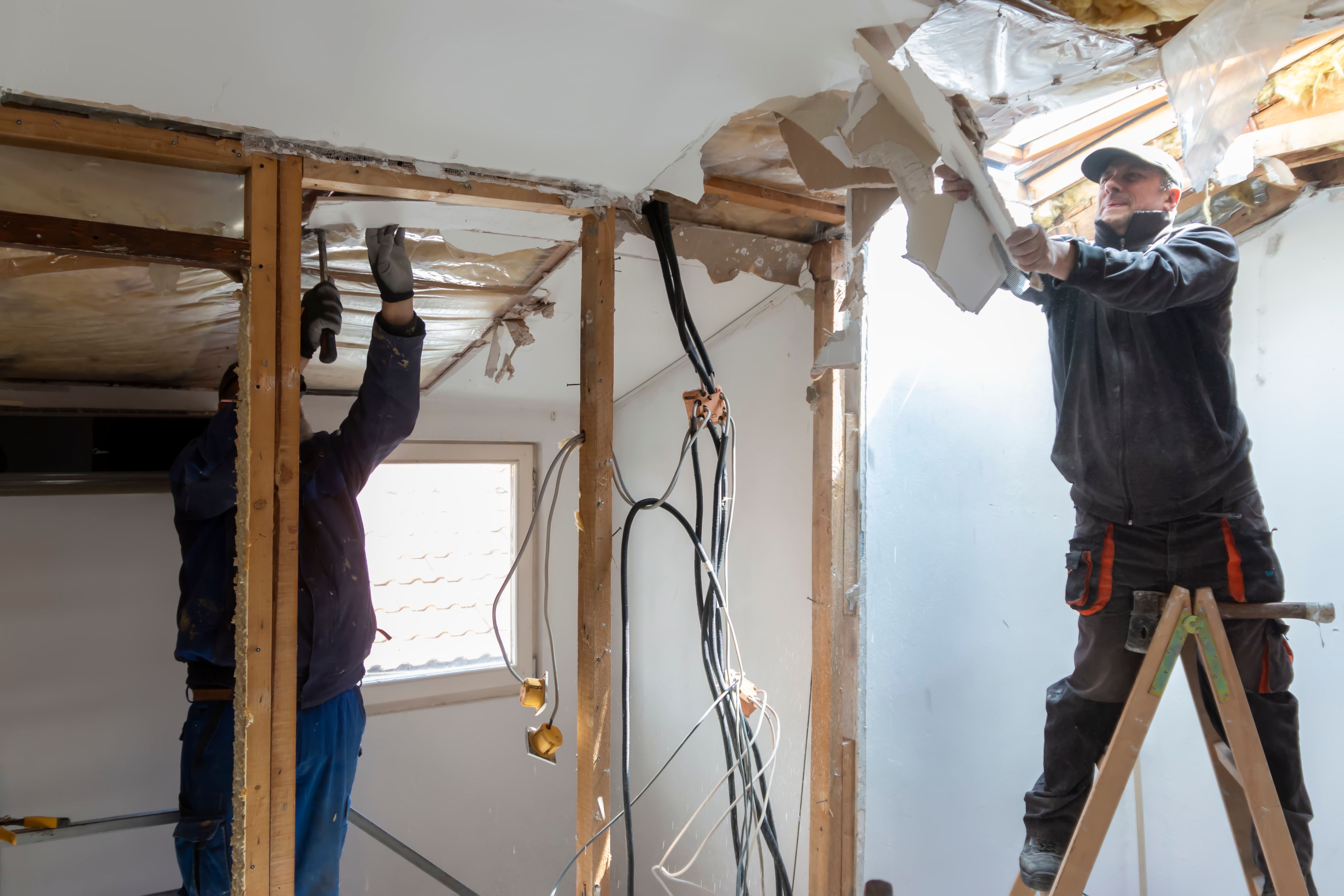
Once the foundational work was complete, attention turned to the interior. Special care was taken to preserve original features like the grand staircase and stained glass windows while updating the home to meet modern standards of comfort and efficiency.
Preserving Original Features
One of the project's primary goals was to maintain the home’s original features. This involved the careful restoration of elements such as the hand-carved moldings and the antique fireplaces. These features were meticulously cleaned, repaired, and, where necessary, replicated to ensure authenticity.
Modernizing for Today’s Lifestyle
While preservation was key, the home was also adapted for contemporary living. The team introduced modern amenities without compromising the building’s historical integrity. This included installing energy-efficient systems and updating the kitchen and bathrooms to meet today’s standards.
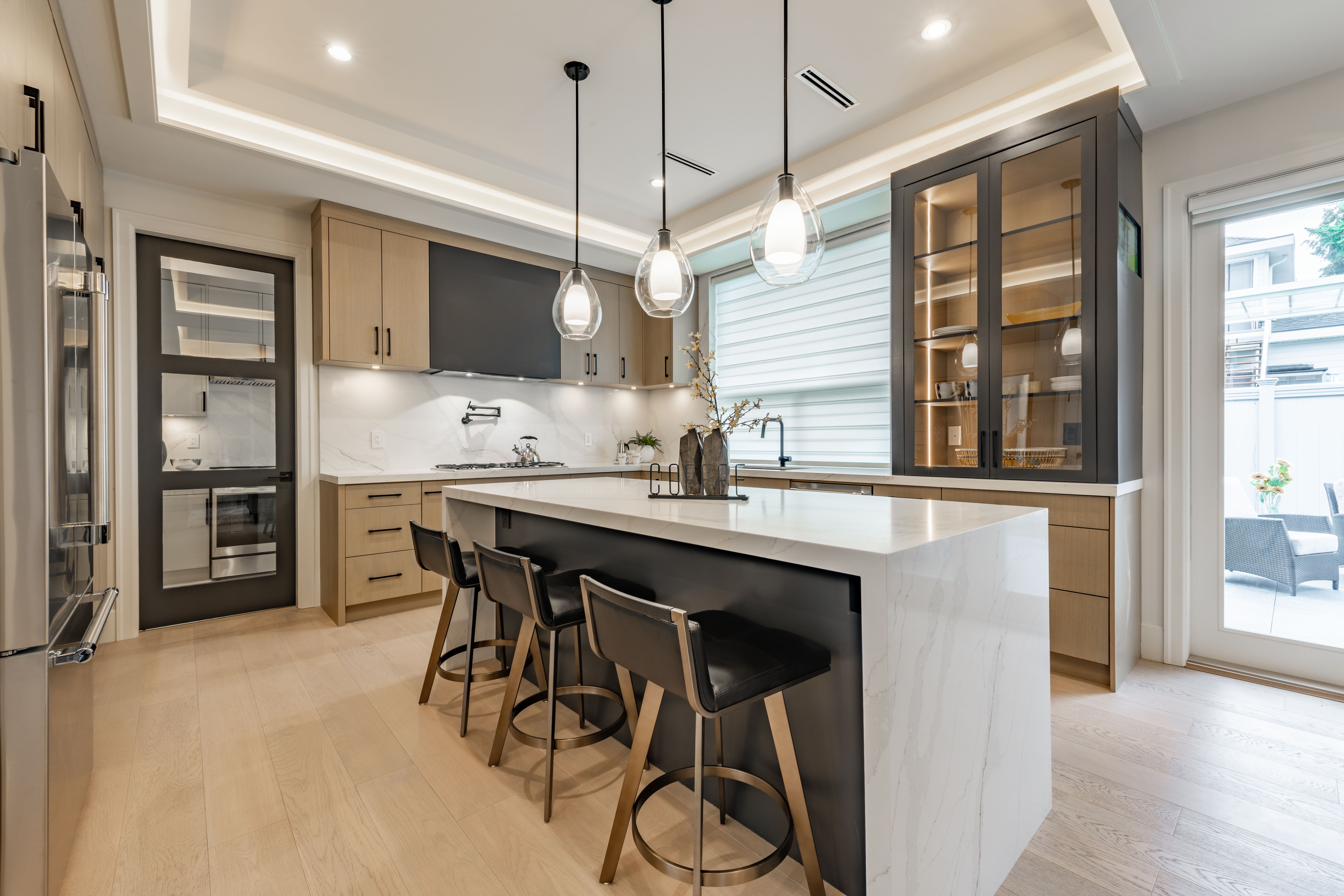
Each update was carefully integrated, ensuring the home’s character remained intact. This balance of old and new created a living space that was both functional and full of historical charm.
Challenges and Solutions
The transformation was not without its challenges. Balancing the preservation of historical elements with the introduction of modern conveniences required innovative solutions. The team utilized advanced technology, such as 3D modeling, to visualize changes and predict their impact on the structure.
Environmental factors also played a role. The team implemented sustainable practices, ensuring the home’s restoration was environmentally friendly, reducing waste and improving energy efficiency.
Conclusion: A Success Story
The transformation of the historic Dartmouth home is a testament to what can be achieved when respect for the past meets modern ingenuity. The project not only preserved a piece of Dartmouth's history but also provided a comfortable, modern living space for its new inhabitants.
This case study serves as an inspiration for similar projects, showing that with dedication and expertise, historic homes can be successfully adapted for the present while honoring their storied past.